
Manipal Hospital Saves Woman From A Rare Dual Medical Crisis
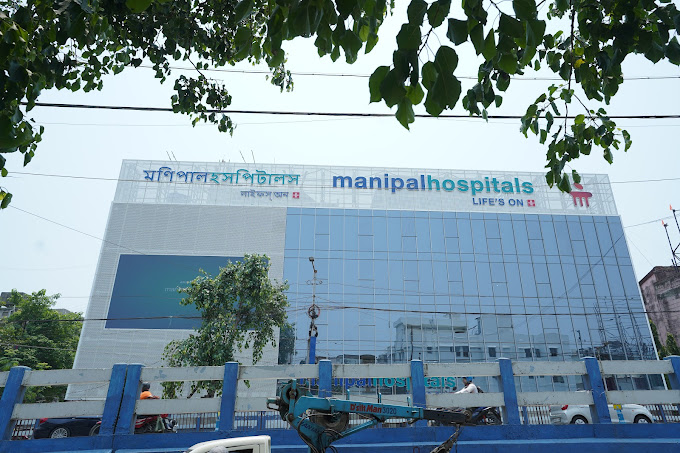

When a 39-year-old woman with Type 2 Diabetes Mellitus and End-Stage Renal Disease (ESRD) on maintenance dialysis arrived at the Manipal Hospitals Emergency Department in Dhakuria with bradycardia, hypotension, and drowsiness, her life took a significant turn. A critical cardiac emergency quickly turned into a complex case requiring advanced critical and renal care, high-stakes decision-making, and smooth interdisciplinary coordination.
In the emergency room, the patient experienced a cardiac arrest. She was successfully revived by prompt cardiopulmonary resuscitation performed by the emergency medical team led by Dr. Ashok Mishra, Consultant, Emergency Medicine. After being admitted under the supervision of Dr. Arghya Majumdar, Director & Head of Nephrology, she was moved to ICU 2, where she was stabilised on a ventilator and vasopressor support, and the work-up was initiated by her critical care team, including Dr. Saswati Sinha, Consultant, Critical Care. Due to financial constraints, her history of chronic vascular access issues had not been treated before. Previously, she had a line in her neck, but it was removed because it became obstructed. Due to the difficulty of creating permanent access, she is currently receiving dialysis through her groin.
The superior vena cava showed evidence of thrombosis on CT angiography, which most likely spread to the lung and resulted in pulmonary artery thrombosis. To prevent further thrombosis progression, the team initiated intravenous anticoagulation therapy using heparin or blood thinners. Her blood pressure stabilised after her gradual extubation from the ventilator. The step-down unit was assigned to her.
The management of a life-threatening cardiopulmonary condition and end-stage renal disease (ESRD) that required dialysis, both of which exacerbated the other, was what made this case challenging. Despite being necessary, the anticoagulants were not risk-free. Her health quickly declined once more. Her blood pressure dropped, and her face swelled. After being taken to the intensive care unit, she was placed back on ventilator support. An upcoming cardiac tamponade, a medical emergency where fluid pressure builds up around the heart, was discovered by echocardiography and CT scan. Strong blood thinners were necessary for the lung clot, but they had to be stopped immediately due to the heart complication.
Because draining a hemorrhagic pericardial effusion carries a high risk, Dr. Sumanta Chatterjee, a consultant cardiologist, was called in immediately and personally monitored the patient’s condition with daily echocardiography. Anticoagulation could be safely stopped after a follow-up CT angiography revealed that the lung clots had disappeared with treatment, although there was still a chance of recurrence. The risk of clotting the dialysis access line increased because of her kidney condition, which necessitated daily dialysis without the use of blood thinners.
She required access for dialysis even though she was on a ventilator and in a fragile state. Dr. Subhabrata Banerjee, Senior Consultant, Vascular & Endovascular Surgery, successfully inserted a permacath in this critical state while exhibiting exceptional coordination and accuracy under duress.
Recovery for the patient was gradual and closely watched. But in spite of everything, she survived and returned home. This case also highlights a more widespread reality in healthcare: treatment delays brought on by financial limitations. Her life was in danger because her previous vascular access problems had not been fixed. Through patient support initiatives and inclusive care models, Manipal Hospitals continues to close these gaps and reaffirms its dedication to providing high-quality, ethical healthcare that is easily accessible.
Priyanka Dutta