
Early Treatment for Squint Is The Best Option For Kids
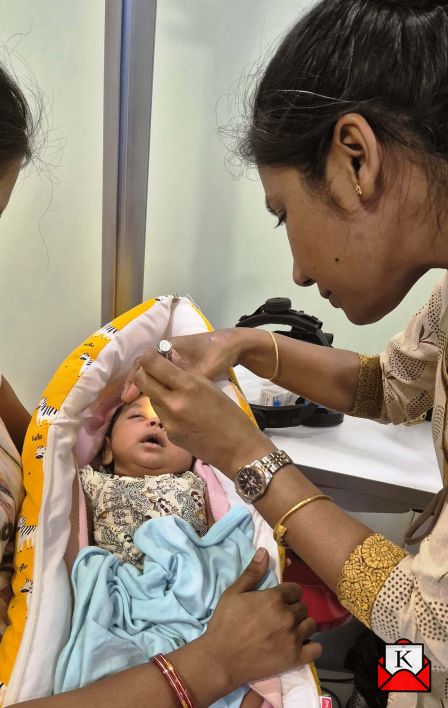

A leading pediatric ophthalmologist is calling on parents, teachers, and caregivers to take squint (commonly referred to as “crossed eyes” or “tara chokh” in Bengali) seriously, urging timely medical intervention rather than dismissal or ridicule.
Dr. Soumi Mallick, Assistant Professor at the Regional Institute of Ophthalmology and practicing Paediatric Ophthalmologist at Sankara Jyoti Eye Institute in Newtown, emphasizes that squint is a medical condition with proven treatments and not a quirk to be joked about.
“Far too often, children with squint become the subject of teasing in schools or face social stigma as adults. Some even face rejection in marriage proposals. The truth is, squint is treatable, especially when diagnosed and addressed early in childhood,” said the doctor.
Squint is More Than Cosmetic
Squint is a misalignment of the eyes caused by imbalance or dysfunction in the eye muscles or nerves. It can affect one or both eyes and may present from birth or develop during childhood. While it may look like a minor visual oddity to the untrained eye, the implications can be severe, ranging from vision loss to underlying conditions like childhood cataracts, glaucoma, or even eye cancer (Retinoblastoma).
Dr. Mallick highlights that in many cases, parents don’t recognize squint early enough or delay seeing an eye specialis,t which can lead to a loss of vision due to amblyopia, commonly known as “lazy eye”.
“We have seen cases where children as young as 3–6 months show signs of squint. Early detection and intervention can make a world of difference,” said Dr. Mallick.
Causes of Squint in Children
Congenital muscle or nerve weakness (e.g., weak lateral rectus muscle)
Premature birth and oxygen exposure in NICU (linked to Retinopathy of Prematurity)
Congenital cataract or glaucoma
Uncorrected refractive errors (needing glasses)
Genetic conditions or infections during pregnancy (e.g., maternal rubella)
Treatment Options
Treatment for squint depends on the root cause and may include:
Prescription glasses (to correct refractive errors)
Amblyopia therapy (patching the stronger eye to stimulate the weaker one)
Surgical correction of misaligned eye muscles
Specialized eye examinations under anesthesia (EUA) in very young children
“Every case is different. We begin with a detailed case history, perform thorough diagnostics, and tailor treatment accordingly. In many cases, surgery is avoidable if early therapy is started,” added Dr. Mallick.
She recommends that parents ideally seek surgical correction before age 7, where applicable, for the best results.
Clinic Details
Dr. Soumi Mallick
Pediatric Ophthalmologist
Sankara Jyoti Eye Institute, 7th Floor, Newtown Cube Building
Clinic Hours:
Mondays & Thursdays: 3 PM – 6 PM
Saturdays: 11 AM – 6 PM