
Is Palamur Biosciences Really Abusing Innocent Animals? Read On

A first-of-its-kind whistleblower exposé exposing alleged egregious abuse of dogs, rhesus macaques, and minipigs at Telangana-based Palamur Biosciences Pvt Ltd, (a government-registered contract laboratory that tests medications, pesticides, and medical devices on animals, frequently for international clients), is being publicized by People for the Ethical Treatment of Animals (PETA) India. In India, Palamur Biosciences bills itself as “one of the largest preclinical service providers”.
The whistleblowers who contacted PETA India claim that this laboratory, which routinely poisons beagles and other animals, has exposed the animals to conditions that resulted in injuries and infections, overcrowding in cages or, in other situations, social isolation, and an agonizing death when the animals are judged unusable.
According to whistleblowers, among the abuses reported are:
Approximately 1,500 beagles were kept by Palmur in a facility that could only accommodate 800, putting three or four of them in cages intended for two. Extreme frustration and frequent fights resulted from the overcrowding, lack of socialization, and competition for food. These fights frequently caused serious injuries, particularly to the dogs’ ears. The business neglected both appropriate wound cleaning and pain management in spite of these injuries, failing to provide basic care.
Dogs were handled roughly by Palamur’s animal care staff, with some employees kicking the animals or heedlessly shutting cage doors on their legs. According to a whistleblower, dogs that were handled roughly suffered fractures.
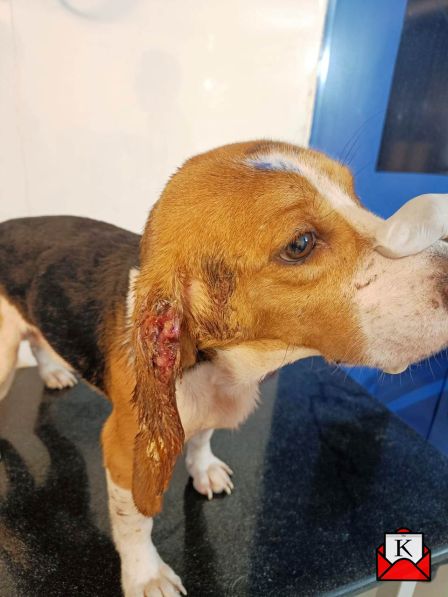
In certain Palamur studies, test compounds were subcutaneously (under the skin) injected into dogs. Infections at the injection sites were occasionally brought on by these injections, either as a result of the compounds themselves or contaminants in their formulation. The dogs may develop open, painful wounds as a result of these infections spreading, eating through the skin, and harming the underlying tissue. The other whistleblower, meanwhile, claimed that the animals would suffer “like hell”.
Dogs in other studies developed severe illnesses, including intestinal or mouth ulcers. Dogs are seen lying in bloody pools in photos and videos; the company uses thiopentone to kill the dogs without first sedating them, which is a simple precaution that could lessen their anxiety and suffering in their last moments; and Palamur bought Göttingen minipigs from a Danish company without a breeding license. A minipig once became pregnant, and the head veterinarian ordered the eight or ten piglets that were born to be killed. Intracardiac injections were used to painfully kill the piglets.
Palamur frequently neglects to give pigs the playtime they need, even though it is required by policy. Pigs were kept in their cages and only taken out for experiments; they would only be allowed access to enrichment when customers were present.
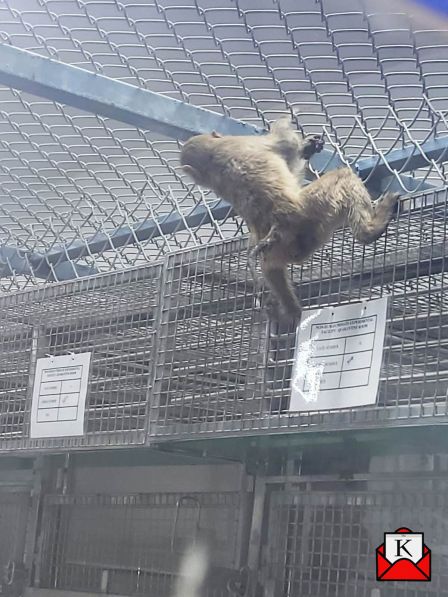
Palamur purchased wild rhesus macaques from a Rajasthani vendor. Certain captured monkeys tested positive for zoonotic pathogens, most likely monkeypox. The company kept the issue under wraps and merely killed the monkeys, putting other experimental subjects at risk of infection, despite the possible public health risk to the workers and the general public.
PETA India has filed complaints with the National GLP Compliance Monitoring Authority (NGCMA), the Central Drugs Standard Control Organization (CDSCO), and the Committee for the Control and Supervision of Experiments on Animals (CCSEA). The organization is calling for the company’s registration to use animals for testing, prosecution under relevant laws, and rehabilitation of surviving animals to be immediately revoked.
Priyanka Dutta