
The Reasons Behind The Great Rise Of Conjunctivitis Cases

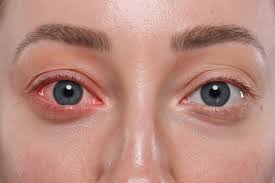
The eye specialist across the city has noticed a sudden rise in cases of various eye-related diseases, including Conjunctivitis.
Dr. Soham Basak, Consultant, Cornea Department of Disha Eye Hospitals, throws light on the increasing rate of Conjunctivitis, approximately how many cases are reported each day, causes, prevention, and cure.
For ophthalmologists, monsoons are synonymous with a spike in conjunctivitis. Also known as pink eye, eye flu, or chokh otha. The higher humidity and wet high-touch surfaces (door knobs, lift buttons, railings, etc), the viruses are transferred easily from person to person. Cases reported each day are widely variable. There’s a surge of approximately 60-70 patients per day reporting to our clinics across the city.
The weather is ideal for increased viral activity, and most conjunctivitis are caused by adenoviruses. Some of the flu-like symptoms are associated with conjunctivitis.
Cause
The commonest cause of conjunctivitis is adenovirus. Other viruses, like enterovirus or rotavirus, can also cause pink eye. Sometimes they are part of a cluster of symptoms like cold, fever, throat infection, and pink eye – collectively known as pharyngo-conjunctival fever.
Another frequent cause of conjunctivitis is microsporidia – a group of microscopic parasites that are contracted from exposure to dirty or muddy water. Dirty water itself can cause irritation and toxicity, leading to non-infective red eye.
Prevention
Avoid touching your eyes, especially in public places where your hands may come in contact with viruses. Wash your hands after visiting crowded places.
In case you have pink eye/conjunctivitis, avoid sharing items that come in contact with your eyes – towels, pillows, handkerchiefs, etc.
The infective period is 5-7 days, during which there is a high chance of transmission of infection to others. Better to follow some isolation precautions during that time.
Conjunctivitis is not transmitted by looking at someone infected. There’s got to be some direct/ indirect physical contact involved.
Cure
Most viral infections are self-resolving. Eye drops and ointments are given to relieve uncomfortable symptoms like watering, discharge, or irritation.
In case of severe swelling of the lids or the cornea, anti-inflammatory medicines are given by the doctor.
Mostly, it is a harmless but rather annoying bug to deal with in monsoons. In case of severe symptoms like lid swelling, blurred vision, or light sensitivity, please visit your nearest eye doctor.
About the author- Dr. Soham Basak, Consultant, Cornea Department of Disha Eye Hospitals