
A Great Rise In Colorectal Cancer Risk Factors In Kolkata

A nationwide “Lifestyle & Digestive Health Awareness Survey” has revealed alarming trends in Kolkata’s digestive health, highlighting a critical gap between rising risk factors and public awareness of colorectal cancer. The study, supported by Merck Specialities Pvt. Ltd., audited over 10,000 individuals across 14 Indian cities, uncovering a pattern of neglect and self-medication that doctors warn could be fatal.
The findings for Kolkata are particularly concerning. While digestive health issues are surging due to fast-paced lifestyles and sedentary routines, 91.9% of respondents in the city admit to delaying doctor visits when bowel habits change. Furthermore, only 9.3% of Kolkatans recognize blood in stool as a warning sign of colorectal cancer—the lowest awareness level among all surveyed cities.
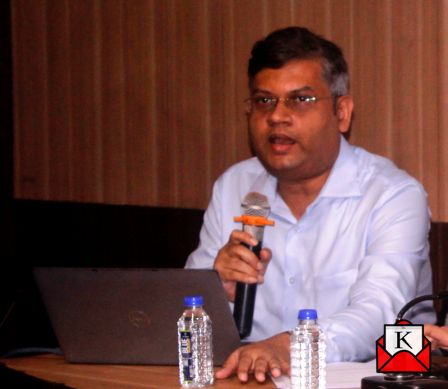
During a press conference, leading oncologists emphasized that while colorectal cancer is highly treatable if caught early, late diagnosis is becoming the norm.
Dr. Poulami Basu (Netaji Subhash Chandra Bose Cancer Centre & Research Institute, Kolkata) noted that the disease often begins as small growths called polyps. “Don’t miss symptoms like persistent bowel changes, abdominal discomfort, or unexplained weight loss,” added the doctor.
Dr. Sudeep Das (Manipal Hospital, Kolkata) criticized the culture of self-treatment, noting that over 80% of respondents nationwide self-medicate for acidity or constipation instead of seeking professional advice.
Dr. Sanchayan Mandal (HCG Cancer Hospital, Kolkata) linked the rising incidence directly to lifestyle, citing that 44.1% of Kolkata respondents consume tobacco and many rely heavily on processed foods.
The survey data paints a vivid picture of the risks: over 50% of participants consume packaged food frequently, and less than half exercise regularly. With March observed as Global Colorectal Cancer Awareness Month, medical experts are calling for a shift in behavior. Adopting a fiber-rich diet, engaging in regular physical activity, and undergoing routine screenings like colonoscopies are essential steps to reducing risk.
In a city where digestive symptoms are widespread, the medical community’s message is clear: stop self-medication and prioritize early diagnosis.
Priyanka Dutta