
A Great Price Change In Retail & Wholesale Potato Markets
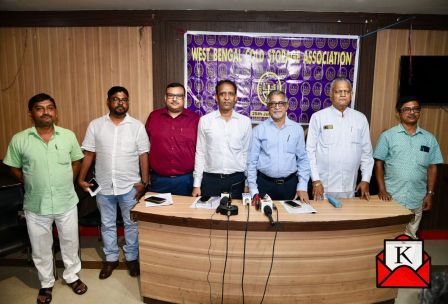
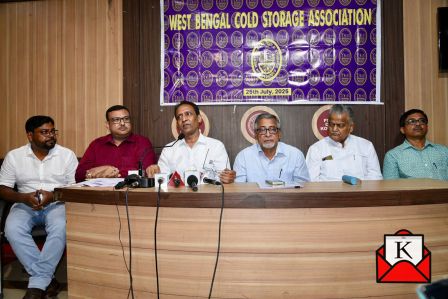
The West Bengal Cold Storage Association, the state’s only active association of cold storage facilities, held a press conference at the Press Club in Kolkata to alert the public and government consumers to the significant price difference between West Bengal’s wholesale and retail potato markets and the detrimental effects they are having on both farmers and the cold storage sector.
The press conference was attended by Sri. Sunil Kumar Rana, President of WBCSA, Sri. Subhajit Saha, Vice President of WBCSA, Sri. Tarun Kanti Ghosh, Past President of WBCSA, Sri. Dilip Chatterjee, Kaushik Kundu, Chairman of District Committees of WBCSA, SK Jiaur Rahman, Executive Committee Members, and other eminent members of the Association.
70.85 lakh metric tonnes of potatoes were kept in West Bengal’s cold storage facilities this year. The state has historically used 60% of its potato harvest domestically and exchanged the remaining 40% with neighboring states. However, because interstate potato transportation was prohibited during the previous season, about 10 lakh metric tonnes of early variety potatoes were also kept in cold storage facilities; as a result, cold storage facilities are record-laden.
The State Government set a minimum support price of Rs 9/kg for farmers in light of the circumstances. Encouraged by the government’s announcement, farmers sold their harvested crop and kept some of their stock for future sales. The farmers own between 75 and 80 percent of the stock that has been preserved this season.
The released stock was trading at the government-declared minimum support price of Rs. 15/kg at the beginning of the unloading season (May 25). However, over two weeks, it gradually dropped to Rs. 11/kg to Rs. 12/kg (for dala quality at Singur wholesale market) in Hooghly District and Rs. 9/kg to 10/kg (for average quality) in Burdwan, Bankura, Medinipur districts, and North Bengal at the cold storage gate (i.e., wholesale price). Farmers are directly harmed by this condition since they lose between Rs 400 and Rs 500 per quantity.
There is grave concern that agricultural production and cultivation will suffer and that there will soon be an imbalance between supply and demand unless the situation is addressed and farmers’ losses are stopped. The rural economy will eventually suffer greatly, and the cold storage sector will also be negatively impacted because the decline in potato production will lead to underuse of cold storage capacity and affect the profitability of store units.
The government suggested incorporating potatoes into midday meals and purchasing 15% of preserved stock at the stated minimum support price as a recovery strategy to increase potato consumption and stabilize prices. Additionally, it intends to encourage both domestic and foreign potato commerce. In order to promote potato trading outside of Bengal, a transportation subsidy will also be implemented.
Priyanka Dutta