
Awareness Of Cervical Cancer Is Very Important
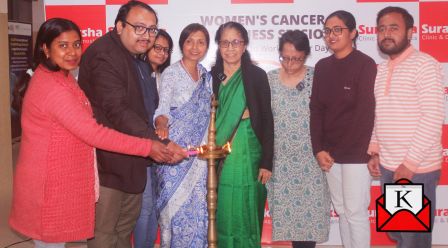
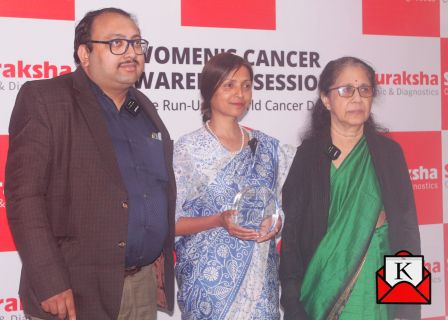
January is designated as Cervical Cancer Awareness Month each year. Despite being preventable with HPV vaccinations and screening, cervical cancer kills about 70,000 Indian women annually. As part of PRECERCA (Prevention of Cervical Cancer), an international award-winning project of KOLGOTRG (Kolkata Gynecological Oncology Trials & Translational Research Group), nearly 1,100 women in the tea gardens of the Darjeeling district were screened using the gene Xpert technology. It was supported by Suraksha Diagnostic Limited (“Suraksha Clinic and Diagnostics”), KOLGOTRG, Cepheild, and logistical support from the MOHFW, Government of West Bengal.
Ten percent of the women tested positive for high-risk HPV (Human Papillomavirus), which causes cervical cancer in women. These women were given free treatment at their places of employment. The goal is to check about 1,00000 women for free to reduce the risk of acquiring cervical cancer, which takes 10 to 15 years to start.
According to PRECERCA, access to cancer screening is regarded as a critical issue in rural areas and among working women, particularly those who receive hourly or daily wages and do not have the time to attend screening programs. Furthermore, women in India’s rural areas might not be well-informed about cervical cancer and how to prevent it. Regular cervical cancer screenings and follow-up care are more challenging when there is little or no access to healthcare facilities, resources, and socioeconomic hurdles. Due to their hectic work schedules and other responsibilities, many women may find it difficult to maintain their health and undergo routine tests. Preventive actions in distant places may be hampered by stigmas and cultural beliefs around reproductive health, as well as a discussion of delicate subjects like cervical cancer.
It is suggested that this program be continued throughout the course of the following ten years.
Along with the screening and testing facilities, there will be concurrent training programs for both local healthcare workers and the tested individuals.
To overcome the barriers to affordability and accessibility and guarantee health equality, PRECERCA’s unique strategy of holding screening camps inside the tea gardens themselves, together with free HPV screening services (for first visit) and a training program, is crucial. By reaching those who are at risk and offering prompt interventions and education, the model is crucial to stopping the spread of cervical cancer by helping them understand the importance of routine screenings for early detection and to prioritize their health despite all obstacles.
Most screening programs in India are expensive and take place between 50 and 100 kilometers from major cancer centers and metropolitan areas. As a result, health disparities affect women in the most isolated regions of the nation.
As long as it is identified early and treated appropriately, cervical cancer—which is thought to be the second most frequent malignancy among Indian women—can be prevented and cured. The WHO states that to eradicate cervical cancer by the next century, every nation must fulfill the 90-70-90 targets by 2030. To remove and prevent cancer, management involves routine screening to identify cell alterations early. Warts and cell abnormalities can be treated, but the virus itself cannot.
In conclusion, awareness and early detection are the keys.
Priyanka Dutta