
How To Avoid Leptospirosis This Monsoon?
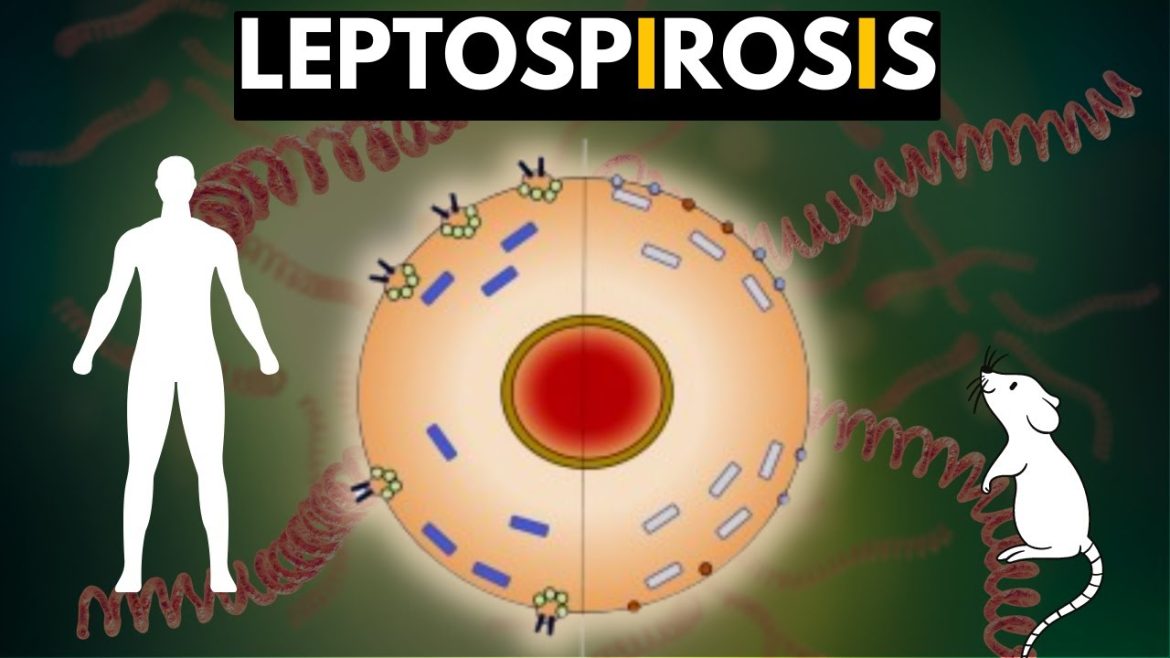
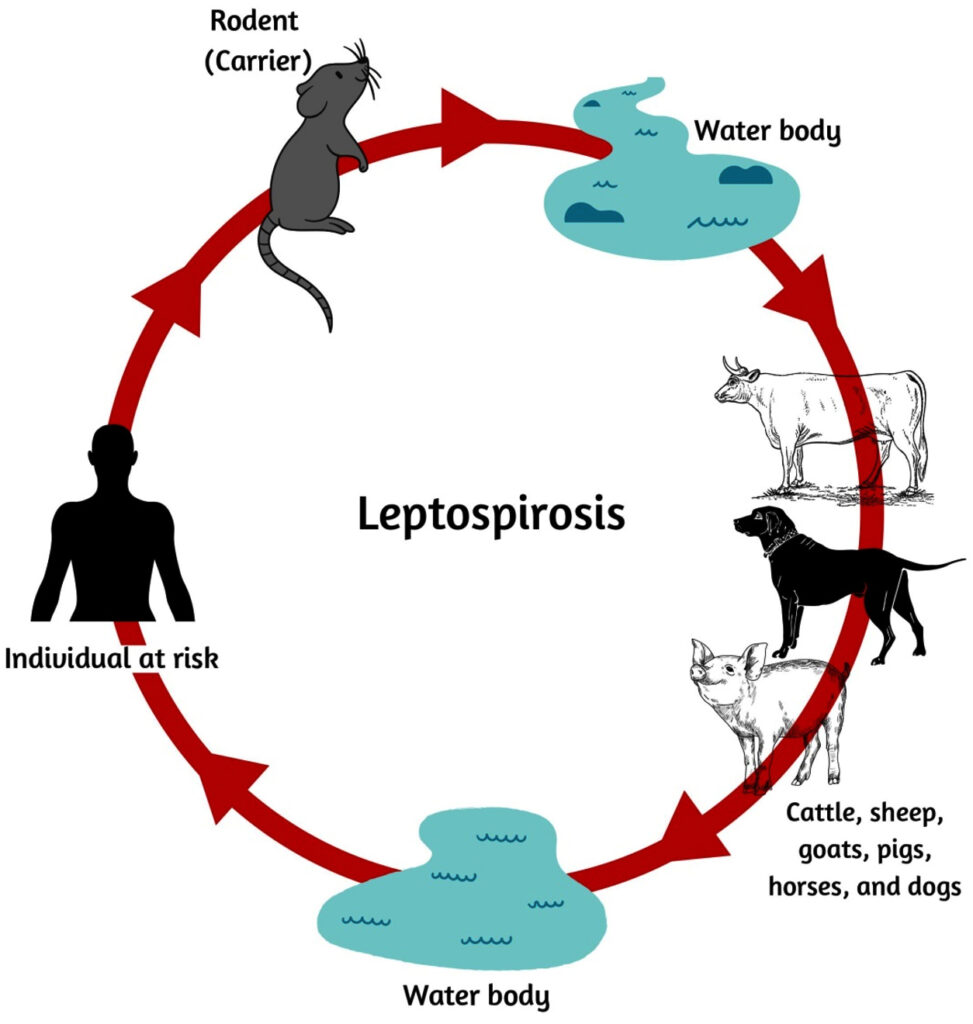
Leptospirosis is a contagious waterborne disease transmitted when bacteria spread through contaminated animal urine (usually from dogs, rats, and livestock) enter the human body. The infection penetrates your system when contaminated water seeps through moist skin, open cuts, scrapes, or mucous membranes (such as your eyes, nose, and mouth). The concerning aspect of leptospirosis is that its initial symptoms – like fever, chills, and body aches mimic common monsoon illnesses like the flu or dengue, but can ultimately delay diagnosis and cause fatal implications.
Impact during monsoons
The common aftermath of monsoons, such as flooded roads, overflowing drains, and murky puddles, creates an ideal breeding ground for bacteria. As a result, the risk of contracting Leptospirosis is highest during this season. Rain presents many challenges, like walking through dirty floodwaters or driving through muddy roads. Increased exposure to these wet environments further risks your health, as bacteria can easily enter through wet skin or open wounds and cause the disease.
Risks among children
Don’t compromise your personal and family hygiene while dealing with exposure. Children are prone to injuries and open cuts during the monsoon. Therefore, quick cleaning and disinfection of their wounds, especially after potential exposure to contaminated water, is necessary.
What to remember when stepping out?
Unseasonal rain may drench you on your way back home. Hence, changing out of wet clothes should be a habit, as it restricts prolonged exposure to bacteria. Additionally, it is recommended to use trusted antiseptics like the Savlon Antiseptic Liquid. This antiseptic solution offers 99.9% germ protection when used for multiple hygiene practices like mixing with bathwater, sanitizing laundry, and other indoor objects subjected to moisture.
Instill some non-negotiable outdoor practices within yourself and your children, like avoiding barefoot walks in muddy or flooded areas, wearing slippers that prevent water from seeping in, putting on waterproof band-aids on existing wounds, and using antiseptic wipes, washes, and liquids regularly. These precautions will help reduce the risk of any infection.
When to Seek Medical Attention?
Through early detection, one can combat leptospirosis. Rush to medical aid immediately when you experience flu-like symptoms or unusual fever, post contact with monsoon rains or contaminated water. It has been observed that negligence in seeking medical attention has led to adverse implications of Leptospirosis in people, resulting in kidney and liver complications. Similarly, an early check-up has helped in overpowering the disease with just additional care and antibiotics.
Inculcating smart hygiene and wellness practices should be a routine and not a choice. It can protect you and your family from diseases, not just during monsoons, but all year round. Stay safe, stay smart, and stay germ-free.