
Obesity Horizon- Sole Focus On Negative Aspects Of Obesity
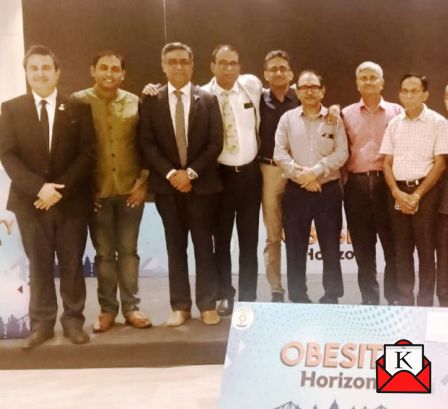

The Association of Metabolic Obesity Physicians and Clinical Endocrinologists (AMOCE) hosted the “OBESITY HORIZON” event, where a distinguished panel of medical professionals discussed the negative effects of obesity on human activities and the measures that should be taken to find solutions and lifestyle modifications that will help create a society free of obesity.
One of India’s most urgent health issues is obesity, which affects people of all ages and genders and is becoming much more common in both urban and rural areas. The burden is not limited to being overweight; it also includes a range of comorbidities, such as type 2 diabetes, heart disease, cancer, reproductive issues, musculoskeletal issues, mental health issues, and a lower quality of life.
In India, obesity is still not widely acknowledged as a chronic, relapsing condition that necessitates evidence-based, multidisciplinary therapy, despite its increasing prevalence.
Patients get compartmentalized care that falls short of addressing the complexity of obesity and its comorbidities, and current methods are frequently disjointed.
Thus, there is an urgent need for the creation of a thorough, multispecialty consensus statement and clinical practice recommendations for the management of obesity in India.
Leading experts from metabolic and obesity physicians, endocrinology, internal medicine, cardiology, nephrology, pulmonology, hepatology, orthopedics, obstetrics & gynecology, pediatrics, psychiatry, bariatric surgery, elderly medicine, clinical biochemistry and laboratory sciences, nutrition sciences, public health specialists, and patient representatives should be brought together by the Pan-India national campaign #EndObesity.
With recommendations specific to age, sex, and ethnicity that are adapted to the particular Indian phenotype, such a consensus will acknowledge obesity as a disease state rather than just a risk factor.
In order to provide integrated management of diabetes, cardiovascular disease, infertility, MASLD, sleep apnea, osteoarthritis, and cancer risk, incorporate complication-specific care into practice. acting as a guide for healthcare systems, insurers, physicians, and legislators on how to address the obesity pandemic in a methodical and long-term manner.
India is at a crossroads where the economic and health costs of obesity may reach catastrophic levels if nothing is done.
There is a need to develop a workable, consensus-driven framework to direct clinical practice and protect the health of millions of people by collaborating across specializations and disciplines. Now is the moment for group action.
Priyanka Dutta