
Successful Liver Transplant On An End-Stage Liver Disease Patient
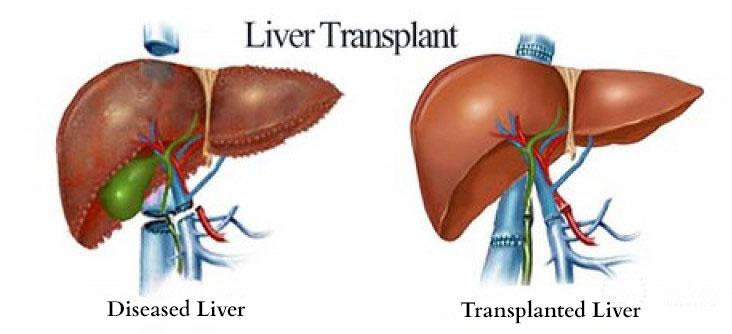
The team at Narayana Hospital, RN Tagore Hospital, Mukundapur, performed a complex liver transplant surgery successfully, saving the life of a 43-year-old man with end-stage liver disease (liver cirrhosis) in a stunning demonstration of medical excellence and human compassion.
To save a loved one’s life, a living donor can give a portion of their liver. Living donations are safe and can save lives because the liver is a special organ that can regenerate. This case not only demonstrates the value of cutting-edge medical treatment and family support, but it also emphasises how important it is to spread the word about living liver donation—a selfless deed that can give people in dire need a new lease of life.
For almost two years, the patient, who lived in Jamshedpur, had been dealing with serious symptoms like persistent loose stools, weakness, and altered sensorium. He was in critical condition when he arrived at the emergency room of Narayana Hospital, RN Tagore Hospital, Mukundapur. He had low blood pressure, melena (black, tar-like stools), haemorrhage, and rectal bleeding. Decompensated chronic liver disease with advanced complications, including Grade III oesophageal varices, severe portal hypertensive gastropathy, hepatic encephalopathy, and ascites, was confirmed by diagnostic investigations.
The patient was immediately admitted to the intensive therapy unit and put on ventilatory support due to the severity of his condition. The team’s treatment plan was guided by a detailed medical assessment, including endoscopy, ultrasound-guided drainage, pulmonary function tests, and high-resolution CT scans.
The transplant procedure, which took about 14 hours, went well following pre-operative medical optimisation. Following surgery, the patient developed basal pneumonia, which was treated with a High-Flow Nasal Cannula (HFNC) and intensive antibiotic therapy. A seamless and uneventful recuperation process was guaranteed by careful observation by a committed group of nurses and consultants.
Following the transplant procedure, the patient stayed in the hospital for a total of 14 days. He was sent home in stable condition with ongoing medical supervision for recuperation at home.
This transplant tale is a prime illustration of how Narayana Health combines state-of-the-art clinical treatment, interdisciplinary knowledge, and the enduring power of family.
Priyanka Dutta