
What Must You Know About Anti-Aging Drugs? Read On

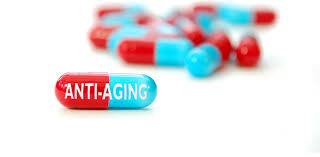
Anti-aging drugs are medications being developed to slow down or reverse the effects of aging, potentially extending lifespan. These drugs target various biological pathways and mechanisms implicated in the aging process, such as mTOR, AMPK, and cellular senescence.
* Rapamycin: A drug that inhibits the mTOR pathway, potentially delaying aging in human skin and other tissues.
* Metformin: An antidiabetic drug that activates AMPK
* Resveratrol: A natural compound found in grapes and other plants, known for its antioxidant and anti-inflammatory properties.
* NAD+ precursors: Compounds like nicotinamide riboside and nicotinamide mononucleotide, which can boost levels of NAD+, a molecule involved in cellular energy production and repair.
* Senolytics: Drugs that selectively eliminate senescent cells, which contribute to age-related decline.
* Acarbose: An alpha-glucosidase inhibitor used to treat diabetes, which has shown promise in extending lifespan in mice.
* Spermidine: A natural compound that may activate autophagy, a cellular process that removes damaged components.
Are anti-aging drugs safe to use?
Rapamycin and metformin have shown promise, but human trials are still ongoing without conclusive directives. There’s no clear evidence yet for advising its use.
Can they cause side effects?
Most people end up taking these drugs, presuming there will be no loss in taking them. However, retinoids, peptides, and other molecules that claim to modulate cellular signals can also cause skin reactions, allergic responses, increased cancer risk, a decrease in immunity and infections, and make the person susceptible to other diseases, unknowingly.
Can they help in anti-aging as they claim?
Mice studies show increased life span in trials by 20-30% with drugs like rapamycin, trametinib, acarbose, and 17-alpha-estradiol. They also improved markers of health, like reduced inflammation, delayed tumor growth, and enhanced physical function.
Human trials are as yet inconsistent.
Are the procedures and drugs costly?
As is with most anti-aging treatments, anti-aging procedures designed for facial appearance are expensive. Drugs such as metformin, acarbose, and rapamycin aren’t very expensive. However, Trametinib, which comes in injectable form, is very expensive.
What is the right age to do these procedures?
Anti-aging prevention and treatment should start just before aging becomes obviously visible. Whether these include skin care, neurotoxins, fillers, or other minimally invasive treatments, the timing to start them is crucial to get a long-lasting result.
Surgical procedures, on the other hand, are generally most sought after at 40 years.
No drugs have been approved for use for ANTI AGING as yet.
What is the difference between anti-aging drugs and procedures?
Drugs work on a cellular level. However non non-invasive and invasive treatments work on the skin and tissues at various depths to bring about reversal or prevention of aging. There are plenty of safe treatments in use all over the world; however use of anti-aging drugs, IV therapies, and miraculous cures should be availed with extreme caution.
About the author- Dr. Devayani Barve-Venkat, Plastic, Aesthetic and Reconstructive Surgeon, ASAPS Fellowship Awardee, USA, Breast and Aesthetic Fellowship, Miami, USA