
14 Robotic Kidney Transplants- A Great Feat By Narayana Mukundapur
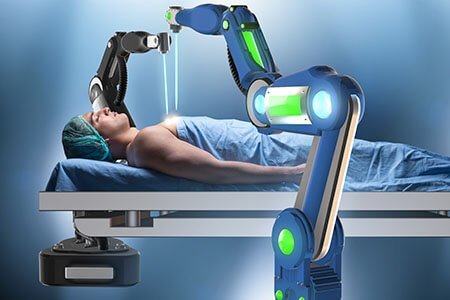
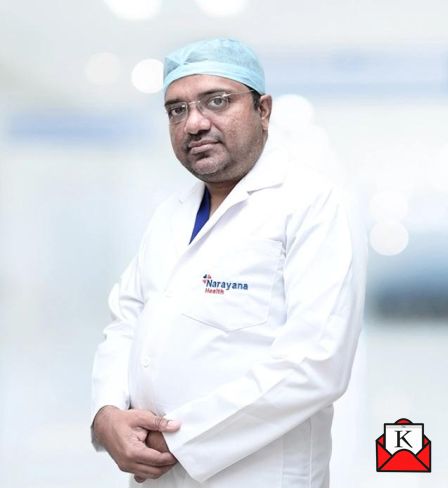
As the first hospital in West Bengal to complete 14 robotic kidney transplants in the last two years, Narayana RN Tagore Hospital in Mukundapur has become a leader in robotic kidney transplant surgery.
The clinical necessity of these 14 procedures is what distinguishes them; in each instance, the patients’ obesity made traditional open transplant surgery impractical. Before being eligible for a transplant, patients with a high BMI are usually advised to lose weight or have bariatric surgery. But for some high-risk patients, the introduction of robotic technology at Narayana RN Tagore Hospital has created a new therapeutic avenue, removing the need for weight loss or further surgery.
The recipients of all 14 surgeries, who ranged in age from 35 to 55, were live donors. The fact that there were no other surgical options in these extremely selective cases confirms that at this point, robotic kidney transplantation is a clinically driven decision rather than a cosmetic one. About 500 open kidney transplants are usually performed at Narayana RN Tagore Hospital each year; robotic procedures are saved for the most difficult, high-risk patients.
An alarming increase in lifestyle disorders is correlated with the rise in these cases. Chronic kidney disease (CKD) is becoming more prevalent in India, primarily due to a steady increase in diabetes and obesity in all age groups. Robotic kidney transplantation is quickly emerging as the only safe option for a large number of these patients.
Even though robotic surgeries are still costly, experts think that because of their reduced scarring and quicker recovery times, they might eventually be suggested more frequently, even for cosmetic purposes.
“The way we treat patients with high-risk kidney failure has been completely transformed by robotic kidney transplantation. Renal transplants were performed via open surgery for many years. The process is now safer, more accurate, and better equipped to handle complicated cases like obesity, thanks to the introduction of robotic systems. The robotic method helps surgeons operate on delicate blood vessels with unmatched accuracy by using 8mm keyhole incisions and offering a 3D, high-magnification view. In obese patients, where traditional surgery carries additional risks, this lessens pain, expedites recovery, and avoids post-operative complications,” said Dr. Forqan Babu Shaikh, General Surgery Consultant at Narayana RN Tagore Hospital in Mukundapur.
“Additionally, “Robotic kidney transplants were previously avoided because they took significantly more time, which increased risks during surgery. But thanks to a highly qualified surgical team and cutting-edge robotic equipment, we have significantly reduced operating time and increased patient safety,” said Dr. Tarshid Ali Jahangir, Consultant-General Surgery, Narayana RN Tagore Hospital, Mukundapur.
Clinical innovation and excellence have always been at the forefront of Narayana Health’s operations. The Kolkata unit’s successful implementation of robotic kidney transplantation is evidence of their dedication to providing cutting-edge, patient-centered healthcare.
Priyanka Dutta