
Obesity & Osteoporosis- Know About The Great Link Between Them
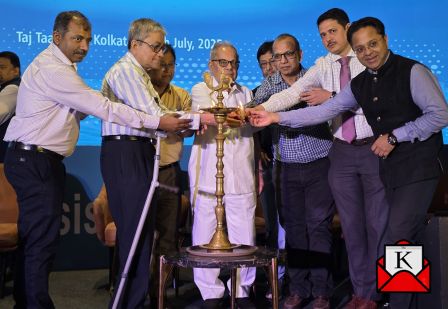
Obesity was once thought to protect against osteoporosis, but it is now understood to be a silent cause of poor bone health. Experts in endocrinology, rheumatology, orthopedics, and geriatrics convened at Osteoporosis Dialogue 2025 to examine the intricate and frequently misinterpreted connection between being overweight and bone fragility.
For a long time, it was thought that being heavier would prevent osteoporosis because it would put more mechanical strain on the skeleton, which would increase bone density and stimulate bone formation. Recent studies, however, suggest that this oversimplified perspective might be deceptive. Obesity may increase bone mineral density (BMD), but it also compromises bone strength, quality, and structure, making fractures more likely.
New research at the conference indicates that obesity affects bone health by interconnecting a number of biological, metabolic, and mechanical pathways.
According to Dr. Arghya Chattopadhyay, a consultant rheumatologist at the Asian Institute of Immunology and Rheumatology, “Bone health is not just about how much bone you have—it’s about how strong and resilient that bone is.” “Although obesity may increase bone density, we’ve only recently learned how it can compromise the structural integrity of the bone”.
Obese patients are susceptible to fractures, despite the widespread belief that those who weigh more are less likely to develop osteoporosis. In actuality, obese people are more likely to have specific fracture patterns, such as those involving the ankle, upper arm, or humerus. Increased strain on joints and skeletal structures, impaired gait and coordination, and a higher risk of falls as a result of weak muscles and poor balance all increase this risk.
In light of the growing global obesity and osteoporosis epidemics, physicians are advocating for early bone health screening in patients who are overweight or obese, even if their BMD seems normal.
Professionals advise treating these patients holistically- Frequent exercise that includes weightlifting and muscle-strengthening activities, a diet high in calcium and vitamin D, and the right supplements, treatment of chronic inflammation, insulin resistance, and hormone abnormalities, and fall prevention initiatives, particularly for elderly obese patients.
The conference this year highlighted the fact that bone health is a multifaceted metric. When evaluating risk in obese people, it’s important to consider factors other than BMD, such as bone quality, fall risk, muscle function, inflammation, and metabolic health.
Priyanka Dutta