
CINI’s Report Out Now On World Drowning Prevention Day

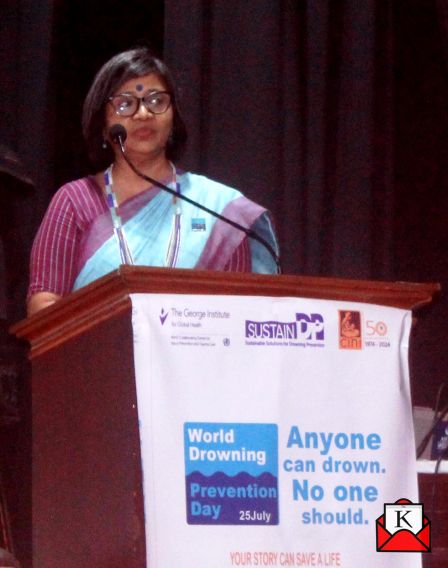
Child in Need Institute– CINI celebrated World Drowning Prevention Day 2025.
A report, Sustain DP- Sustainable Solutions for Drowning Prevention, was also showcased at the event.
Between March and December 2024, the Child In Need Institute and the George Institute for Global Health surveyed 18 million people in the state on drowning incidents. Bloomberg Philanthropies provided funding for this project.
Some of the highlights from the report were:
- Drowning is a major cause of death and is estimated 3 00 000 deaths per year. out of these, 18 percent are estimated to occur in India.
- Males are more prone to drowning than females.
- People in rural areas are more prone to drowning when compared to in urban areas.
- In Bengal, 25 people die from drowning daily, and out of them, 12 are children.
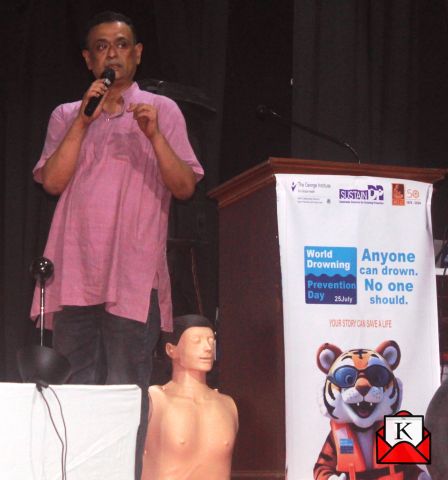
So how can drowning be addressed?
- Children ages 5 to 12 who learn to swim and receive rescue training can be up to 92% less likely to drown. In rural areas, the Gram Panchayat leadership or the School Education Department can use portable pools and nearby ponds to teach these courses as part of the curriculum.
- According to earlier studies, children aged 1-3 are prevented from accessing water bodies, such as ponds and rivers, that are close to their homes by fencing them off. Gram Panchayats and Rural Development programs can carry out these kinds of actions.
- Due to conflicting responsibilities, parental supervision is insufficient during the day. Group lessons under supervision can provide up to 85% protection for children ages 2 to 6. This also provides an opportunity to meet the educational and care needs of young children. To improve oversight, government initiatives like ICDS can be supported and expanded.
- Since community people perform more than 90% of rescues, they need to be trained in safe rescue and resuscitation techniques. One option is to use the National Disaster Management Authority’s (NDMA) First Aid training curriculum.
- Over a year, 100 fences were constructed around ponds near homes in the Sundarbans with children ages 1-2.
- For a year, two Kavach (childcare) facilities in the Sundarbans were piloted.
Through such initiatives, drowning incidents can be stopped and more lives can be saved.
Priyanka Dutta