
Successful Retrieval Of A 7-Year-Old Leadless Pacemaker
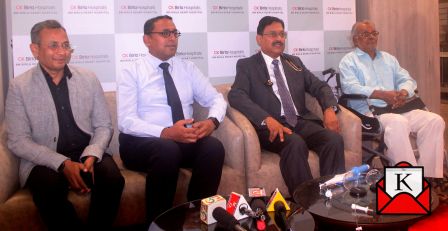
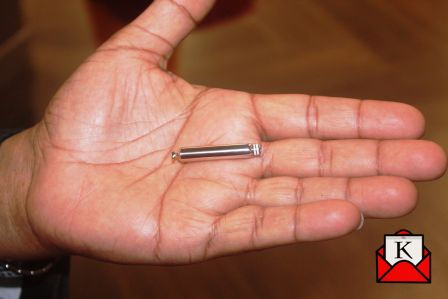
A new-generation Aveir VR leadless pacemaker was implanted after CK Birla Hospitals and BM Birla Heart Hospital successfully extracted the first leadless pacemaker in history that had been placed for more than seven years. Dr. Anil Mishra, Director of Cardiology, successfully removed the device that was first implanted in 2018, which was a groundbreaking worldwide achievement in advanced cardiac electrophysiology. This accomplishment further demonstrates BM Birla Heart Hospital’s leadership in handling extremely complicated cardiac device treatments and is the first of its kind in South East Asia, including India.
The older patient’s cardiac history was lengthy and intricate. He needed pacemaker assistance for symptomatic bradyarrhythmia following previous coronary procedures and bypass surgery. Recurrent infection necessitated the removal of a conventional system that was implanted in 2018. A leadless pacemaker was implanted in the low right ventricular septum during the same hospital stay. For several years, the gadget operated dependably.
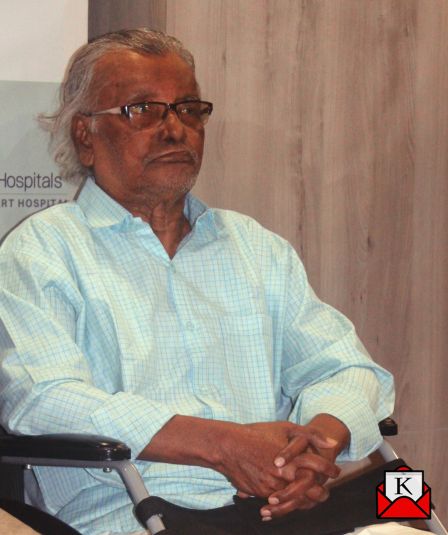
The pacemaker’s Elective Replacement Indicator (ERI), which indicates battery depletion and the need for additional pacing support, was reached in January 2026. In rare cases, leadless pacemakers have been retrieved soon after implantation. However, retrieval following extended implantation is a different story. The gadget eventually becomes endothelialized along the ventricular wall and is implanted in fibrotic tissue. Separation from the myocardium after years in situ entails a significant operative risk, such as embolization or perforation.
Reports of retrievals throughout Southeast Asia have often concerned devices that had been implanted for a few days to two to four years. Successful extractions beyond the first week after implantation have never been reported in India. In this instance, the device had been in place for more than seven years.
Dr. Mishra and his team had to choose between trying to remove the exhausted pacemaker or leaving it in place and implanting a second leadless pacemaker, a strategy that is occasionally used. The choice was driven by worries about mechanical interaction or interference and the lack of long-term evidence on several leadless devices inside the right ventricle.
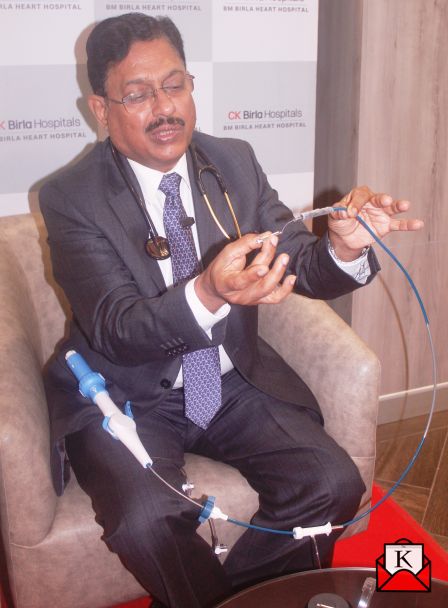
Following a thorough evaluation, the team used the left subclavian route for retrieval while receiving brief pacing support. The gadget was successfully removed on a single try. The low right ventricular septal area was then fitted with a brand-new single-chamber VVIR leadless pacemaker with stable thresholds and superior electrical characteristics. Post-procedure imaging confirmed the patient’s satisfactory location and function, and the patient has made a full recovery.
Complex rhythm abnormalities, advanced device implantation, and extraction operations can all be handled by BM Birla Heart Hospital’s specialized electrophysiology and device management department. The hospital’s collection of high-complexity cardiac rhythm interventions is expanding with the successful retrieval of a long-standing leadless pacemaker.
Priyanka Dutta