
What You Need To Know About Haemophilia As A Parent?

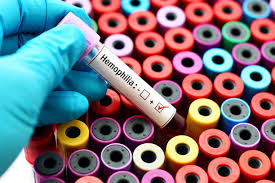
Haemophilia is a genetic condition where the blood does not clot properly, leading to prolonged bleeding. In children, the early signs may not always be obvious. Frequent bruising, swelling in joints, prolonged bleeding from minor cuts, or excessive bleeding after vaccinations or minor procedures should alert parents to seek medical advice. Early diagnosis plays a crucial role in preventing complications and ensuring better long-term outcomes.
Recognising Symptoms and Preventing Injuries
Children with haemophilia are more prone to internal bleeding, especially in joints and muscles. Parents need to be vigilant about subtle signs such as unexplained pain, limping, or reluctance to use a limb. Preventing injuries becomes an important part of daily care—this includes creating a safe home environment, using protective gear when needed, and educating caregivers and teachers about the child’s condition.
Encouraging Safe Physical Activity
A common misconception is that children with haemophilia should avoid physical activity altogether. In reality, safe and supervised exercise is essential for maintaining joint strength and overall health. Activities such as swimming, walking, and light sports can be beneficial, while high-impact or contact sports should be approached with caution. The goal is to strike a balance between safety and healthy development.
The Importance of Routine Care and Treatment
Consistent medical care is the cornerstone of managing haemophilia. Treatment may involve clotting factor replacement therapy, either on-demand or as preventive (prophylactic) care. Regular follow-ups help monitor the child’s condition, adjust treatment plans, and prevent complications such as joint damage. Adherence to treatment schedules is essential for effective management.
Empowering Parents Through Awareness
Parents play a central role in managing haemophilia. Being informed about the condition, recognizing early signs of bleeding, and knowing when to seek urgent care can make a significant difference. Keeping emergency contacts, treatment records, and necessary medication readily available helps in timely intervention.
Supporting Emotional and Social Well-being
Beyond physical health, children with haemophilia may face emotional and social challenges. They may feel restricted or different from their peers. Encouraging open conversations, building confidence, and allowing participation in safe activities can help them lead a more normal and fulfilling life.
Building a Support System
Managing haemophilia is a shared responsibility. Parents should work closely with healthcare providers, schools, and support groups to create a safe and supportive environment for the child. Educating those around the child ensures better preparedness and reduces the risk of complications.
A Lifelong Journey with the Right Care
Caring for a child with haemophilia requires awareness, preparedness, and consistency. With early diagnosis, proper treatment, and a supportive environment, children with haemophilia can grow, learn, and thrive just like their peers. Empowered parents are the foundation of effective care and a healthier future for their child.
About the author- Dr. Joydeep Chakrabartty – Senior Consultant – Hematology, Hemato Oncology & Clinical Lead – BMT Programme (Eastern Region)