
Important Details One Must Know About Hypertension In Pregnancy
Hypertension in pregnancy usually affects 1 to 5 per hundred pregnant women. Usually, it happens after 20 weeks of pregnancy.
Common symptoms of high blood pressure during pregnancy are persistent headaches, swelling of the face and hands, rapid, unexpected weight gain, sudden nausea, and vomiting in the second half of pregnancy, for severe cases, blurring of vision and upper abdominal pain, and convulsions.
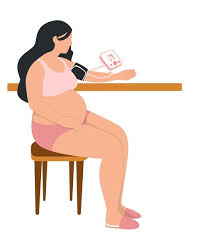
When the blood pressure starts rising, there can be other organs involved, like the liver, kidneys, and blood clotting . When do we call it high blood pressure when the BP is more than 140 /90 mm of mercury? Initially, the BP is monitored. If it is mild, patients might need medication if it is above the range of 140/90. The aim is to keep the blood pressure below 135/85, so there are different medications given by your doctor that are safe for Pregnancy and the baby. Symptoms usually resolve with medicines. Sometimes the blood pressure is severely high, and the patient might need admission under the guidance of a specialist team.
Hypertension in Pregnancy needs an individualised care plan, depending upon how many weeks pregnant you are, how high the blood pressure is, and whether there are any concerns about the patient or the baby’s well-being.
The patients are advised to undergo regular blood tests and ultrasounds for the well-being of the mother and baby. When the blood pressure goes further higher, there is a risk of having convulsions. The conditions called eclampsia, where admission under a high dependency unit may be needed.
In severe cases, the only way to cure pre-eclampsia is for the baby to be born.
Even after delivery, the patient may need blood pressure monitoring for a few days and may need to stay in the hospital a little longer than usual. Some patients are at risk of having this pre-eclampsia in future pregnancies, and they may need additional care. If you’re having pre-eclampsia, you will be at high risk of having high blood pressure, stroke, and high blood pressure in later life, so certain preventive measures can be maintained by a healthy lifestyle, healthy weight, and avoiding smoking.
About the author- Dr. Seema Surana Sarawgi, Consultant Gynaecologist & Obstetrician, Techno India DAMA Hospital