
Epilepsy Awareness Is Key To Better Treatment

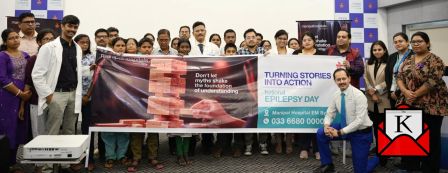
Epilepsy stands as a frequent neurological disorder, but myths, dread, and social prejudice still surround it. Although convulsions and sudden falls often accompany seizures, epilepsy can also present as brief staring spells, temporary disorientation, odd sensations, or involuntary movements. Manipal Hospital EM Bypass marked National Epilepsy Day with an initiative called Turning Stories into Action, uniting medical experts and community voices to promote informed discussions and create a supportive atmosphere for people living with epilepsy.
The programme sought to dispel misconceptions, illustrate the varied expressions of epilepsy, relate personal narratives, and motivate compassionate community reactions instead of dread. Using expert perspectives and individual experiences, the programme demonstrated that epilepsy is a manageable neurological issue for numerous people, and that prompt identification, proper care, and ongoing assistance enable patients to live actively and autonomously.
Effective epilepsy care extends beyond medical treatment and includes regular check-ups, consistent medication use, sufficient rest, and stress control. Keeping a seizure diary allows patients and physicians to spot potential triggers and track how well treatment is working. Psychological counselling and suitable lifestyle changes can help emotional health and enhance daily living. For those whose seizures do not improve with proper medication, specialized assessment can clarify if other approaches, such as epilepsy surgery, are appropriate.
The program also highlighted the need for raising awareness among families, schools, and offices. A child with short staring spells should not instantly be considered inattentive, and adults with epilepsy should not face unwarranted restrictions due to their condition. Grasping the nature of the seizure and knowing the proper response can lessen stigma and empower people to engage more assuredly in daily routines.
Priyanka Dutta