
Advances In Brain And Spine Surgery Lead To Better Treatment

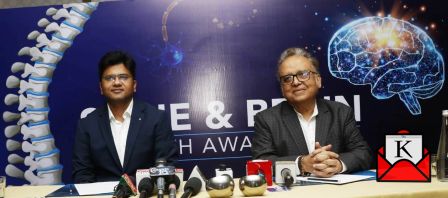
Leading neurosurgeons and spine specialists, Dr. Anindya Basu and Dr. Milind Deogaonkar, gathered today for a unique event to talk about the rising prevalence of brain and spine illnesses and how quick improvements in surgical methods are improving patient outcomes. Early symptom detection, changing treatment options, and the transition from open operations to minimally invasive and technologically assisted procedures were the main topics of discussion throughout the expert-led discussion.
Experts emphasized the significance of identifying early warning indicators of brain and spine disorders, including persistent back pain, weakness, numbness, instability, chronic headaches, and changes in speech or vision, as they began the medical session. They stressed that prompt diagnosis and early consultation can greatly enhance treatment outcomes and quality of life.
The panel covered a wide spectrum of current treatment options, such as sophisticated brain surgical procedures, minimally invasive spine surgery, and conservative care. Experts clarified that treatment choices are very personalized and rely on the patient’s condition, general health, and severity of the illness.
When discussing the development of spine surgery, the experts pointed out that minimally invasive techniques that minimize tissue damage, blood loss, hospital stays, and recovery times have clearly replaced traditional open operations. Surgical accuracy and safety have been significantly improved by the incorporation of cutting-edge imaging and navigation systems.
Speaking on developments in brain surgery, the speakers emphasized how endoscopic and navigation-guided methods enable surgeons to operate more precisely while reducing risk to vital brain structures. Better results, quicker recuperation, and an all-around better patient experience have all been facilitated by these improvements.
Experts emphasized the significance of patient education, safety, and informed decision-making during an interactive media conversation that marked the end of the session. The specialists emphasized that not every patient needs surgery and that professional evaluation is still crucial, even though new technology has increased treatment options.
In addition to empowering patients to seek prompt medical care, this effort seeks to increase public awareness of brain and spine health.
Priyanka Dutta