
Know About The Iconic Meatballs On The National Meatball Day
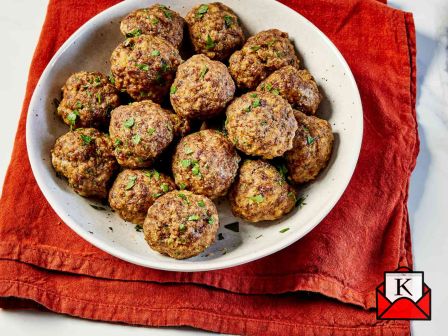

Some foods travel well. Meatballs? They settle down everywhere. Drop them in tomato sauce in Italy, bathe them in creamy gravy in Sweden, spice them up on a Turkish grill, or turn them into a rich kofta curry in India. Same shape, completely different personality. That’s the charm. One simple idea shaped by culture, comfort, and local taste.
In India, meatballs did not arrive as a trend. We already had koftas floating in spiced gravies long before spaghetti and meatballs became cafe staples. Over time, global travel, restaurant culture, and international menus brought Italian and Swedish styles into metro cities. Soon, meatballs started showing up everywhere. On pasta plates, inside sliders, as appetisers at parties, and even as quick comfort food at home.
This National Meatball Day on March 9, we’re looking at some of the most iconic types of meatballs from around the world, and how each one brings its own flavour to the table.
Italian Polpette
Soft, juicy, and full of herbs, Polpette are Italy’s take on meatballs. They’re usually made with beef or a mix of meats, combined with breadcrumbs, parmesan, garlic, and parsley. Unlike the giant meatballs you often see outside Italy, traditional polpette are smaller and lighter. They’re commonly simmered in tomato sauce and eaten as a main dish, sometimes without pasta. The spaghetti and meatballs combo is more Italian American than strictly Italian, but it’s the version that made this style famous worldwide. What makes polpette stand out is their balance. Mild seasoning, simple ingredients, and slow cooking that lets the sauce do the talking.
Swedish Kottbullar
Small, tender, and served with a generous pour of creamy brown gravy, Köttbullar are Sweden’s comfort classic. They’re usually made with a mix of beef and pork, lightly spiced with nutmeg or allspice, which gives them a warm, slightly sweet flavour.
What really sets them apart is how they’re served. Mashed potatoes on the side, a spoon of bright lingonberry jam, and sometimes pickled cucumber. The mix of savoury gravy and sweet jam sounds unusual, but it works beautifully.
Indian Kofta
In India, meatballs take the form of koftas. Rich, spiced, and deeply comforting, they’ve been part of Mughlai and regional kitchens for generations. Unlike the herby Italian version or the creamy Swedish style, koftas are all about bold masala and thick gravies.
They can be made with minced mutton or chicken, shaped by hand, and simmered in onion tomato-based sauces packed with ginger, garlic, and whole spices. In some homes, they’re festive dishes served with naan or fragrant rice. In others, they’re everyday comfort food.
There are vegetarian versions too, like malai kofta made with paneer or vegetables, which shows how flexible the format is in India. The core idea stays the same. Round, flavour-packed, sauce-loving. Just with more heat and depth on the spice scale
Turkish Kofte
If Italian meatballs are saucy and Swedish ones are creamy, Kofte from Turkey are all about the grill. These are usually made with minced lamb or beef, mixed with onions, garlic, parsley, and warm spices like cumin and paprika.
They’re shaped slightly longer or flatter than round, then grilled or pan-fried until lightly charred outside and juicy inside. No heavy gravy here. Kofte are often served with flatbread, fresh salad, rice, or a cooling yogurt dip on the side.
Across India, meatballs have comfortably moved from traditional kofta curries to modern restaurant menus. Italian favourites like Toscano and Jamie’s Pizzeria have popularised spaghetti and meatballs in metro cities, while spots such as Smoke House Deli serve their own café-style takes. At the same time, classic North Indian restaurants continue to spotlight rich mutton or chicken kofta curries. The format has clearly travelled well, and if dining out isn’t on the plan, recreating that experience at home is easier than ever. Ready-to-cook options like Godrej Yummiez Korean Style Chicken Meatballs offer a quick way to build a pasta bowl, toss into a curry, or serve as party bites without starting from scratch. Same comfort, far less effort.
No matter where you go, meatballs prove that great food doesn’t need to be complicated. One shape, endless interpretations, each carrying the taste of its culture. From rich gravies to smoky grills and slow-simmered sauces, the world has found its own way to enjoy them. Maybe that’s why they’ve lasted so long and travelled so far.
Article courtesy- Godrej Yummiez