
New Multi-Crop Insecticide TAKAI To Empower Farmers
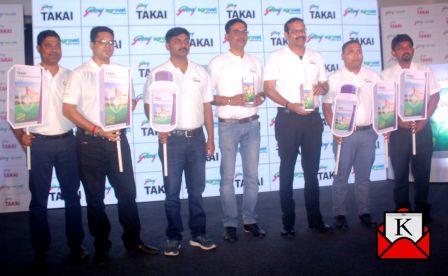
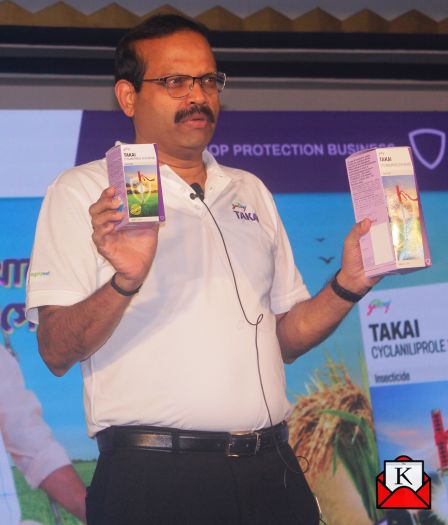
A new multi-crop pesticide called TAKAI has been introduced by Godrej Agrovet Limited (Godrej Agrovet), one of the top diversified agribusinesses in India. TAKAI, which is powered by CyclaprynTM technology created by ISK Japan, helps farmers enhance the general health of their crops by providing rapid management and long-lasting protection against key lepidopteran pests, specifically “caterpillar-type” insects that harm crops. While label expansion approvals for crops like cabbage and chillies are still pending, the company has gained label approval for rice, maize, chickpeas, and soybeans.
Lepidopteran pests are a danger to agricultural output and farmer incomes in West Bengal, which is renowned as the “Rice Bowl of India” due to its yearly production of approximately 15 million tonnes of rice. Yellow stem borer and leaf folder infestations can reduce rice yields by 20–40% in severe outbreaks, while fall armyworm infestations can damage maize crops by 25–30%, reaching 60–65% in severe situations. Spodopteralitura and semiloopers reduce soybean yields by 20–30%, while comparable pest infestations often result in 15–30% losses for vegetable crops like cabbage and chilli. Protecting crops through prompt and efficient management is essential to maintaining West Bengal’s farm economy and food security, as pests, diseases, and weeds have emerged as significant obstacles.
Since rice is farmed in warm, humid, and wet circumstances during its three distinct seasons—Kharif, Rabi, and Summer—it is susceptible to insect attacks all year round. Stem Borer harms the plant during the early critical stage, which is the vegetative stage between 15 and 30 DAT, making early detection challenging for farmers. Both Stem Borer and Leaf Folder attack the plant later in the reproductive cycle, between 40 and 60 DAT. By folding the leaves, the leaf folder reduces the plant’s photosynthetic area and, consequently, crop development by feeding on the leaf tissue. When the crop is 15–30 days old and again at 40–60 DAT, TAKAI should be given at a dose of 160 ml.
Only one dosage of 160 ml of TAKAI is advised for other crops as well.
With the introduction of TAKAI and the maize herbicide ASHITAKA last year, Godrej Agrovet reaffirms its dedication to using innovation and farmer-led product development to create a more resilient, productive, and sustainable agricultural ecosystem.
For more details, visit ww.godrejagrovet.com.
Priyanka Dutta