
Patients Share Excellent Stories At World Brain Tumour Day Event

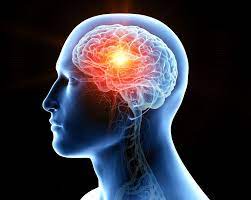
June 8th is designated as World Brain Tumour Day each year. CMRI Hospital commemorated the event this year by paying tribute to a few patients who had brain tumours operated on by Director of Neuro-Surgery Dr. Amitabha Chanda. Following a knowledge-sharing presentation on “Awake Brain Surgery” by Dr. Amitabha Chanda, the patients shared their personal stories.
One of the first doctors in India to perform “Awake Brain Surgery” for brain tumours was Dr. Amitabha Chanda. Patients who undergo awake brain surgery stay conscious throughout the procedure. He has been performing surgeries using this technique for over 13 years, and he carried out the first such procedure in Eastern India. As of right now, he has performed 115 Awake Brain Surgeries, more than any other neurosurgeon in the nation. Additionally, he has written book chapters on the topic and delivered lectures at various conferences.
By utilizing state-of-the-art technology to revolutionize diagnosis and treatment, CMRI Hospital has become a reliable partner for patients with brain tumors. The hospital is revolutionising the treatment of brain tumours and establishing new benchmarks in neurosurgery with its AI-powered imaging and minimally invasive surgical methods.
“Our vision is to make brain tumour treatment more effective, less invasive, and more accessible. Better patient outcomes are largely dependent on technology, and CMRI Hospital is honoured to be leading this revolution. AI integration has greatly increased early detection rates, enabling us to find tumours earlier when they are more amenable to treatment. We can offer individualised care based on each patient’s condition thanks to this technology,” said Dr. Amitabha Chanda.
Benign and malignant brain tumours are among the most difficult medical conditions to identify and manage. Conventional techniques frequently entail invasive biopsies and inaccurate imaging, which may cause a delayed diagnosis. CMRI Hospital understands the importance of early detection and how technology can save patients’ lives by giving them faster, more precise results.
Neurosurgeons can now create more individualised and successful treatment plans thanks to the hospital’s adoption of artificial intelligence (AI)-enhanced imaging techniques. Improved accuracy and precision are guaranteed when Neuro Navigation is used. AI integration has greatly increased early detection rates, assisting in the identification of tumours at a stage when they are more amenable to treatment.
The era of extensive hospital stays and highly invasive brain tumour surgeries is over. CMRI has adopted minimally invasive techniques, which allow neurosurgeons to access tumours through tiny incisions instead of traditional open surgeries. Endoscopic procedures allow surgeons to remove tumours with minimal disruption to healthy brain tissue, which results in shorter recovery times and fewer side effects for patients.
A recent study at CMRI Hospital revealed that over 80% of patients undergoing minimally invasive brain tumour procedures had significantly better post-surgical outcomes than those who underwent traditional surgery.
CMRI Hospital is demonstrating that state-of-the-art technology is not only revolutionising treatments but also saving lives and enhancing results through ongoing investments in innovation and patient-centered care.
Priyanka Dutta