
What Happens To Bones After Pregnancy & Breastfeeding?

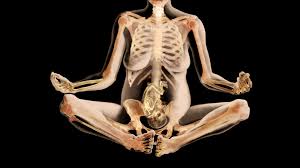
Pregnancy and breastfeeding are natural processes that demand a great deal from a woman’s body, particularly her bones. While much attention is given to prenatal care and infant nutrition, maternal bone health is often overlooked. However, during these critical life stages, women are at a higher risk of losing bone density, especially if their nutritional intake is inadequate.
Calcium plays a central role in fetal skeletal development. The body compensates when dietary intake is insufficient during pregnancy by drawing calcium from the mother’s bones to support the growing baby. Similarly, during breastfeeding, mothers lose significant amounts of calcium through breast milk. Over time, and particularly with multiple or closely spaced pregnancies, this can lead to decreased bone mineral density, increasing the risk of conditions such as osteopenia and osteoporosis, weakened bones and joints, and increased risk of fractures.
Understanding the Impact and Prevention
Most women naturally recover lost bone mass after they stop breastfeeding. However, certain factors can delay or impair this recovery. These include poor dietary habits, limited sun exposure leading to low vitamin D levels, a sedentary lifestyle, and underlying medical conditions such as thyroid disorders or malabsorption syndromes. Women who avoid dairy, follow restrictive diets, or do not take supplements may be especially vulnerable.
Preventive strategies are essential for safeguarding maternal bone health. A diet rich in calcium, through sources like leafy greens, fortified foods, and small fish, along with adequate vitamin D, supports bone maintenance during and after pregnancy. Regular weight-bearing and resistance exercises help stimulate bone formation and are beneficial even in the postpartum period. Allowing adequate spacing between pregnancies also gives the body time to restore nutrient reserves. Adequate exposure to sunlight with adequate skin exposed and supplements if needed should be taken. Stay active, stay hydrated, eat well and sleep well.
Young mothers should be cautious of ‘silent bone thieves’ such as smoking, excessive caffeine, alcohol, and high consumption of soft drinks, all of which can negatively impact bone health
In certain high-risk individuals, medical evaluation may be necessary. Women with a family history of osteoporosis, autoimmune disorders, or those experiencing persistent pain post-weaning should seek medical guidance. Early screening and intervention can prevent complications and ensure long-term bone strength.
While the focus of motherhood often shifts entirely to the child, it is vital that mothers also care for their bodies. Recognising the silent risk of bone loss during and after pregnancy is the first step toward lifelong skeletal health.
About the author- Brigadier (Dr.) Barun Datta (Retd) – Senior Consultant in Orthopaedics & Joint Replacement Surgery, Rabindranath Tagore International Institute of Cardiac Sciences, Kolkata