
Teen With Down Syndrome Gets A New Lease Of Life
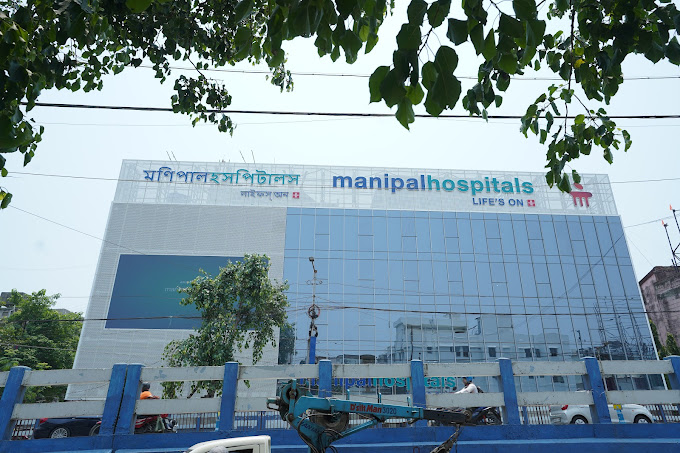
The skilled team led by Dr. Soumya Kanti Dutta, Consultant Interventional Cardiologist, Manipal Hospital Dhakuria, successfully operated on a 17-year-old Nandigram resident with Down syndrome who had a complex congenital heart defect. The patient had previously been turned down for surgery at several prestigious hospitals because of the extremely high procedural risk.
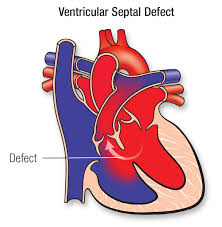
At the age of four, Master Soubhagya Mondal was diagnosed with a ventricular septal defect (VSD), which is a hole in the heart. He also has severe developmental challenges and speech defects. Over time, the child experienced frequent hospital stays, chest infections, seizures, and stunted growth. Conventional open-heart surgery was not an option because of the high risk of anesthesia.
The team at Manipal Hospital chose a minimally invasive percutaneous procedure instead of open heart surgery due to the complexity of the case and the defect’s proximity to the aorta and major heart valves.
“This was a very high-risk intervention because of the defect’s crucial location and the patient’s delicate state. To ensure accuracy, we used advanced imaging guidance and minimal anesthesia,” said Dr. Soumya Kanti Dutta, a consultant interventional cardiologist.
Through a catheter-based procedure via the femoral artery and vein, a specialized 12×14 mm multifunctional occluder device (MFO), one of the biggest of its kind and infrequently used in India, was successfully implanted. During the procedure, advanced techniques like snaring for safe device placement were used to navigate vital cardiac structures, including the aorta.
There is no need to replace the implanted device because it is permanent. Regular echocardiography follow-ups are anticipated to greatly enhance the adolescent’s quality of life. However, the illness might have resulted in heart failure, stroke, and worsening neurological issues if treatment had not been received. Intervention in a timely manner has saved lives.
Priyanka Dutta