
A Great Start To Kutchina Foundation’s Krittika Samriddhi
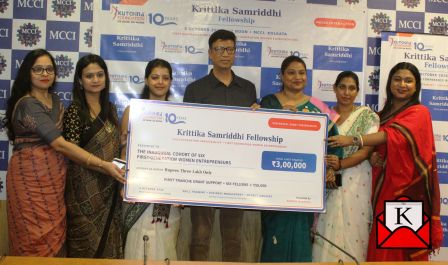
The Kutchina Foundation introduced Krittika Samriddhi, a one-year program offering business support and training for first-generation female entrepreneurs. Six women, each having begun their ventures without inherited wealth, family business connections, or existing market access, were given a fresh chance to advance their enterprises.
Krittika Samriddhi gathered six women entrepreneurs from first-generation backgrounds, providing each with a Rs 2 lakh grant, along with business and skill training, mentorship, and access to markets.
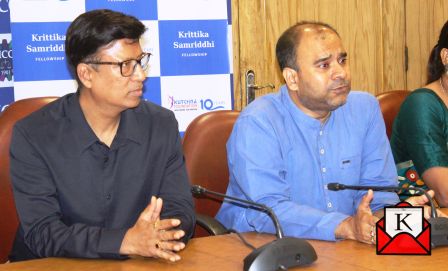
The initiative was spearheaded by Mr. Namit Bajoria, Managing Director of Kutchina Home Makers Private Limited, Chairperson of the Kutchina Foundation, and former President of MCCI, who emphasized the importance of providing women launching their first businesses with the proper support, guidance, and access to opportunities that would enable them to transform their ideas into sustainable enterprises.
At the core of Krittika Samriddhi was Mr. Namit Bajoria, Managing Director of Kutchina Home Makers Private Limited and Chairperson of the Kutchina Foundation, whose path as a first-generation industrialist informed the program’s vision. Mr., having constructed his business without the benefit of an inherited industrial background, Bajoria realized firsthand that having ambition alone wasn’t sufficient to create a sustainable business. Access to funding, business expertise, guidance, professional connections, and suitable market opportunities can be decisive, especially during the initial phases. Krittika Samriddhi emerged from this understanding, with Mr. Bajoria aiming to leverage the experience and ecosystem he had developed over the years to provide a stronger foundation for six women who were now beginning their own journeys as entrepreneurs
The six entrepreneurs were chosen via a structured jury process that considered factors beyond their financial or social obstacles, emphasizing the businesses they had already begun to develop. Their ideas, dedication, business potential, the challenges they encountered, and their openness to learning and developing through training and mentorship were all factored in. What united these six women was not the type of business they operated or their origins, but the fact that they were launching their ventures without the support of an existing family business or professional connections. As they progressed, they were gaining skills in managing finances, reaching customers, building networks, and understanding the market while contributing diverse experiences and viewpoints to the broader narrative of women’s entrepreneurs.
The cohort also united two especially distinct journeys. Debangshi Chowdhury Biswas, a transgender woman from Uttarpara, was establishing an ornaments and jewelry business, while Priyanka Saha, a cisgender woman from Khardah married to a transgender man, was launching a nail art and makeup venture. Both were chosen based on the entrepreneurial potential they had already shown, their dedication to creating sustainable businesses, and the impact that timely financial support, business training, and market access could have on their growth. Their experiences also offered valuable insights into gender diversity and inclusion, positioning their stories as a vital component of the fellowship’s broader goal to create opportunities for women from varied backgrounds to establish independent livelihoods.
The other four fellows each brought equally varied entrepreneurial experiences. Tanushree Guha Roy and Piya Mitra were establishing sari businesses in South Kolkata and Barasat, while Dwayita Biswas was expanding a confectionery venture and Arjuma Bibi was launching a beauty and cosmetics business in Barasat. They were chosen based on the viability and growth potential of their businesses, their dedication to building sustainable enterprises, and the opportunity to provide training, mentorship, and financial support that could significantly impact their development. Each had already started building their business from scratch, and the Fellowship was created to provide them with the resources, funding, and market access required to move forward.
Krittika Samriddhi was founded on the conviction that limited access should never be confused with a lack of potential. The six women had already taken the hardest stepstartingand the Fellowship was created to help them turn those beginnings into viable businesses. Each fellow was given Rs 2 lakh over the course of a year, disbursed in four installments of Rs 50,000 each, along with business-management and skill training, mentorship, and access to markets. The programme expanded the Kutchina Foundation’s decade-long Krittika Fellowship, which had previously supported 25 women social changemakers across India, now channelling that experience into the entrepreneurial realm to empower first-generation women in building more resilient and sustainable businesses.
Priyanka Dutta