
The Annual Water-Borne Challenge In Kolkata-Hepatitis E
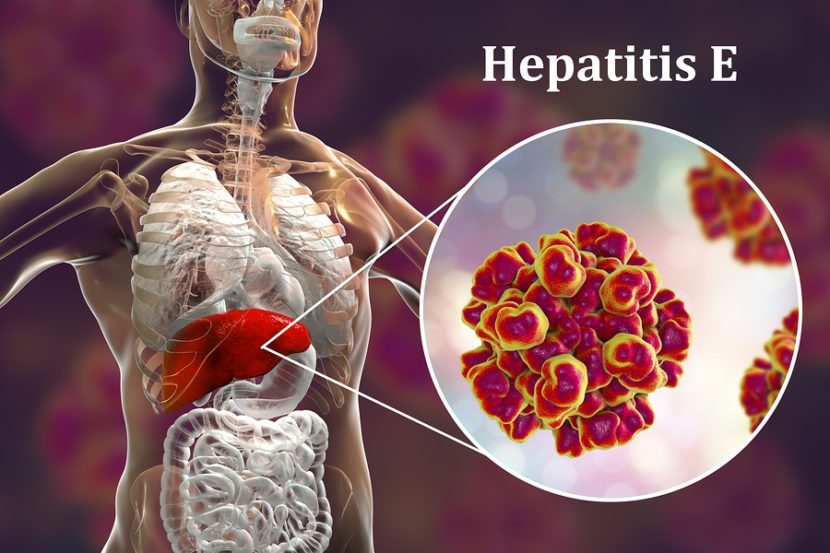
Each year, as the monsoon rains soak Kolkata’s streets and flood its low-lying settlements, another, more silent crisis unfolds: a spike in hepatitis E cases. Often overshadowed by more headline-grabbing vector-borne illnesses like dengue and malaria, hepatitis E remains an under-recognised yet persistent seasonal threat, especially in slum clusters and underserved pockets of the city.
Hepatitis E is caused by a virus primarily transmitted through the fecal-oral route, often via contaminated drinking water. In a city where heavy rainfall routinely overwhelms drainage systems, mixes with open sewage, and seeps into household water storage, the conditions for outbreaks are almost predictably created every year. What makes hepatitis E particularly insidious is its ability to spread quickly in densely populated areas with poor sanitation and limited access to clean water, environments that are all too common in Kolkata’s urban sprawl.
Slums in areas such as Tiljala, Tangra, Garden Reach, and parts of North Kolkata have reported higher incidence rates in past years, especially during July to September. It is observed that most patients present with typical symptoms — jaundice, fatigue, nausea, and loss of appetite. Still, by the time they arrive at a hospital, their condition has often worsened. While most healthy individuals recover without complications, pregnant women are especially vulnerable. Hepatitis E infection in the third trimester can lead to acute liver failure and even death, with maternal mortality rates significantly higher compared to other hepatitis strains.
During the monsoon, when floodwater mixes with sewage and seeps into stored drinking water, the risk of falling ill increases sharply, especially in homes that rely on shared or roadside water sources. For families in these conditions, something as simple as drinking a glass of water can unknowingly lead to infection. It is advised to use boiled or filtered water for drinking and cooking during these months, even if the source appears clean. It’s also important to keep water containers tightly covered and avoid storing them at ground level where floodwater might reach. If someone in the household develops symptoms like sudden yellowing of the eyes, dark urine, or fatigue, they should not delay seeking medical help. Acting early not only prevents complications but also protects others in the home from exposure.
Importantly, hepatitis E is not vaccine-preventable on a wide scale, unlike hepatitis A or B, which makes preventive behaviour and early diagnosis all the more critical. In a city as resilient and responsive as Kolkata, the annual struggle against waterborne illnesses like hepatitis E requires not just emergency responses but year-round planning. As monsoons become more unpredictable and urban density continues to grow, the key lies in recognising that the health of the city’s most vulnerable is ultimately the measure of its preparedness.
About the author-Dr. Vivek Mohan Sharma – Consultant, Medical Gastroenterology, Narayana RN Tagore Hospital, Mukundapur