
Climate Change To Bring Great Changes In Healthcare
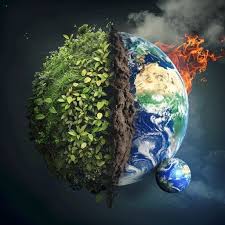
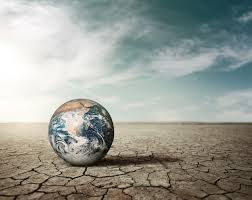
Climate change is no longer something we talk about only in environmental discussions—it is now something we are seeing reflected in our daily clinical practice. Across India, changing weather patterns, rising temperatures, and erratic rainfall are beginning to influence how diseases appear and spread. From patients presenting with heat-related illnesses during peak summers to a clear rise in seasonal infections, it is evident that healthcare systems are dealing with a shifting landscape.
Changing Weather, Changing Disease Patterns
One of the most noticeable changes has been in vector-borne diseases such as Dengue and Malaria. We often observe that during seasonal transitions—like winter moving into summer or summer into monsoon—there is a spike in such infections. Extreme temperatures tend to limit vector activity, but when the weather settles into a moderate range, typically around 20°C to 30°C, it creates ideal conditions for mosquitoes and flies to breed. This is usually when cases begin to rise more sharply.
It’s More Than Just Temperature
There is a common assumption that temperature alone drives these infections, but in reality, it is a combination of factors. Rainfall, humidity, and especially water stagnation play a significant role. In many urban and semi-urban areas, poor drainage and standing water create perfect breeding grounds. When this is coupled with favourable temperatures and humidity, vector populations increase rapidly. This is why, along with dengue and malaria, we also start seeing chikungunya, scrub typhus, and other seasonal fevers during these periods.
Who is Most at Risk?
While some groups are more exposed than others, the truth is that most of the population is at some level of risk. It largely depends on where people live and work. Those in areas with waterlogging, poor sanitation, or dense populations are naturally more vulnerable. Outdoor workers and individuals who spend more time in exposed environments are also at higher risk. However, even those indoors are not completely insulated. In a country like India, where environmental exposure is widespread, a large section of the population remains susceptible.
The Expanding Geography of Disease
Another trend we are beginning to notice is that these diseases are no longer confined to traditional high-risk areas. Regions that were once relatively dry or considered low-risk are now reporting cases. Changes in rainfall patterns and humidity levels are allowing vectors to survive and multiply in newer areas. This gradual shift is quietly expanding the geographical reach of these infections.
Heatwaves and Their Hidden Impact
Alongside infectious diseases, heat itself is becoming a major health concern. Every year, we are seeing more cases of dehydration, heat exhaustion, and heatstroke. Prolonged exposure to high temperatures can be particularly dangerous for children, the elderly, and those with existing health conditions. What makes the situation more challenging is that heat-related illnesses and infections often occur simultaneously, placing an added burden on healthcare services.
The Need for Preventive Action
What is important to understand is that many of these risks are preventable. Simple steps—such as avoiding water stagnation, maintaining clean surroundings, using mosquito protection, and staying well-hydrated during extreme heat—can make a significant difference. Community awareness and participation are essential, as prevention at the local level often has the biggest impact.
How Can Healthcare Systems Prepare Better?
As both climate and lifestyles continue to change, healthcare systems also need to adapt. This means strengthening early disease surveillance, ensuring timely diagnosis, and being prepared for seasonal surges. Equally important is training healthcare providers to recognise patterns linked to climate and respond proactively. Preparedness, rather than reaction, will be key in managing this evolving challenge.
A Collective Responsibility
The impact of climate change on health is wide-ranging, but it is not something we are powerless against. It requires a combined effort—individual awareness, community action, and stronger healthcare systems. As the environment changes, our approach to health must also evolve, with greater emphasis on prevention and early action.
Looking Ahead
The connection between climate and health is becoming clearer with each passing year. Recognising this early allows us to respond better. With awareness, preparedness, and collective effort, we can reduce risks and build more resilient communities in the face of a changing climate.
About the author- Dr. Sauren Panja, Senior Consultant & Administrative Lead – Critical Care Services (NH East)