
Excellent Celebration Of Bengal’s Traditions With Bouma & Kanya Shasthi
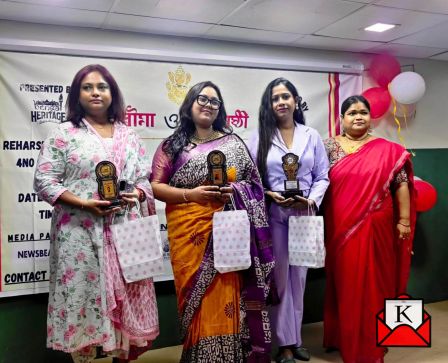
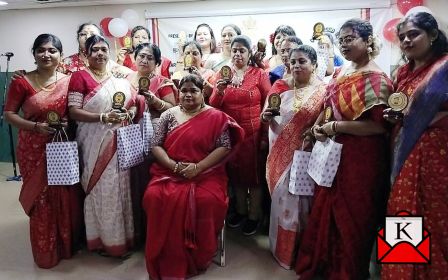
Through a lavish celebration of Bouma Shasthi and Kanya Shasthi at the historic Calcutta Mansion, Bengal Heritage once again reaffirmed the significance of preserving Bengal’s cultural roots at a time when fast urbanization and shifting lifestyles frequently threaten to eclipse age-old customs. The event, which was led by cultural enthusiast Rakhi Naskaar Ray, was a colorful celebration of Bengal’s enduring customs, family values, and sense of community that brought together families, artists, social figures, and heritage enthusiasts.
The vibrant colors and allure of Bengal‘s rich cultural legacy came to life in the iconic venue. People from all walks of life were drawn to the event because they shared a desire to celebrate and re-establish ties to the traditions that still define Bengali identity.
The occasion was graced by eminent personalities like Rupparna Bhattacharya, celebrated culinary expert Chef Rumi Biswas, and distinguished social personality Mrs. Ruma Das Sharma, Owner of The Event Alcamist and Executive Editor of Newsbeat Media India Group. Their presence elevated the event and emphasized how important it is to maintain cultural customs in modern society.
The guests stressed to the audience that Bouma Shasthi and Kanya Shasthi are much more than customary practices. They serve as reminders of the ideals that uphold social harmony and family ties, and they symbolize the love, respect, and affection that Bengali families show their daughters and daughters-in-law.
A lively cultural program with gifted participants of all ages was one of the evening’s main draws. Several dance performances inspired by Bengali culture, folklore, and tradition captivated the audience. Bengal’s artistic legacy is characterized by grace, beauty, and emotional depth, all of which were evident in the performances.
Moving poetry readings that emphasized themes of motherhood, womanhood, family ties, and Bengal’s rich literary traditions added a literary touch to the festivities. Throughout the program, the audience repeatedly applauded and expressed gratitude to the participants for their moving presentations.
The cultural segment encouraged younger generations to value and interact with Bengal’s artistic legacy by skillfully fusing entertainment with cultural education. In a world that is changing quickly, visitors noted that these kinds of initiatives are essential to ensuring that traditional art forms survive.
Rakhi Naskaar Ray, the celebration’s organizer, was at its center. Her steadfast dedication to protecting Bengal’s legacy has made Bengal Heritage a reputable venue for community involvement and cultural revitalization.
The lavish Bhuri Bhoj, which gave guests a genuine taste of Bengali cuisine, was one of the event’s main highlights. Although there were many traditional Bengali dishes at the feast, the attendees were most impressed by the unusual presentation.
The organizers served the meal in matir thala (earthen plates), matir bati (earthen bowls), and matir glass (earthen cups) in an attempt to bring back long-forgotten traditions.
The use of biodegradable earthenware demonstrated the event’s dedication to sustainability and environmental responsibility in addition to its cultural significance.
The venue was alive with discussions about the value of preserving Bengal’s legacy in a world growing more interconnected by the day.
The event served as a potent reminder that heritage is about carrying on the values, customs, and cultural knowledge that define a community rather than just preserving memories of the past in a world that is constantly changing. Bengal Heritage continues to play a crucial role in ensuring that Bengal’s cultural soul is preserved, relevant, and treasured for future generations through programs like this one.
Priyanka Dutta