
Prevention Is The Best Way For Good Health

Medicine is undergoing a profound transformation. For decades, healthcare systems around the world have largely focused on diagnosing illness and treating it after symptoms appear. While remarkable advances in surgery, medicines, and technology have saved countless lives, the growing burden of lifestyle diseases has revealed an undeniable truth that curing disease is often far more difficult and far more expensive than preventing it.
Every year, on Doctors’ Day, we honour the hard work, kindness, and unending service of doctors who are at the heart of medical care. But perhaps the best way to show support for the medical field is not just by recognizing the treatment of diseases, but by embracing a way of thinking that makes treatment unnecessary in the first place. That philosophy is prevention.
Today, the blueprint for better health begins long before the hospital visit. It begins with everyday choices – at home, in schools, workplaces, and communities.
Modern medicine recognizes that nearly 70 to 80 percent of chronic diseases, including heart disease, type 2 diabetes, hypertension, obesity, and several cancers, are significantly influenced by lifestyle. Poor nutrition, physical inactivity, tobacco use, excessive alcohol consumption, chronic stress, and inadequate sleep silently accumulate over the years before manifesting as a disease. By the time symptoms develop, substantial damage may already have occurred.
This is why prevention has become the cornerstone of twenty-first-century healthcare.
Preventive medicine operates on three essential pillars.
The first is the primary prevention that aims to stop diseases from starting in the first place. Vaccinations, healthy diets, exercising regularly, quitting smoking, etc., are some of the most effective ways to prevent diseases. Clean water, good sanitation, and improved nutrition have collectively saved more lives than many advanced medical treatments.
The second is secondary prevention, which involves finding diseases early. Regular check-ups, checking blood pressure, testing blood sugar, screening for cholesterol, mammograms, Pap tests, colonoscopies, eye testing, and dental check-ups help find diseases when they are at their earliest and most treatable stages. Early diagnosis not only increases the chances of survival but also helps preserve a high quality of life.
The third or tertiary prevention is aimed at avoiding complications in patients who have already been diagnosed with a disease.
Managing diabetes well can prevent kidney failure and blindness. Cardiac rehabilitation can reduce the chances of another heart attack. Timely physiotherapy can help reduce disability after a stroke. Even when a disease can’t be cured, prevention helps improve outcomes.
The digital revolution has also strengthened preventive care.
Wearable devices now track heart rates, activity levels, sleep quality, oxygen levels, and can even detect irregular heart rhythms before symptoms appear. Artificial intelligence helps doctors find high-risk patients earlier than before. Telemedicine has made medical advice available in remote areas, helping reduce delays in diagnosis and follow-up care.
However, technology alone cannot take the place of personal responsibility.
One of the biggest challenges for doctors is encouraging healthy behaviour before illness develops.
Many patients come to see a doctor only when they are in pain, discomfort, or disability. Yet, many of the diseases that doctors treat have developed quietly over the years. High blood pressure usually doesn’t cause symptoms until it harms the heart, kidneys, or brain. Diabetes can go unnoticed while affecting nerves and blood vessels. Early cancers frequently produce no warning signs.
Preventive healthcare, therefore, needs a partnership between doctors and patients that is based on trust, education, and shared responsibility.
Doctors are not just healers of disease anymore. The role has a larger connotation now. They are also teachers, counsellors, and supporters of healthier living. Every visit is an opportunity to talk about nutrition, exercise, mental wellness, sleep, stress, vaccinations, and regular screening; not just prescribing medicine.
Equally important is mental health, an area that has rightly gained greater attention in recent years. Anxiety, depression, burnout, loneliness, and ongoing stress can affect physical health just as much as many physical illnesses. Prevention includes creating sensitively supportive families, workplaces, and communities that support emotional well-being and where seeking help is not stigmatized.
On Doctors’ Day, the role of doctors extends beyond the clinic and the hospital.
Doctors are partners in creating healthier societies. Public health projects, school health programs, workplace wellness initiatives, vaccination campaigns, maternal and childcare, and preventive screening represent medicine at its finest, intervening before suffering begins.
For individuals, the path to prevention is quite clear:
- Eat a balanced diet with plenty of fruits, vegetables, whole grains, and lean proteins.
- Get at least 150 minutes of moderate exercise each week.
- Keep a healthy weight.
- Avoid all tobacco and limit alcohol.
- Get enough sleep and manage stress effectively.
- Stay up to date on recommended vaccines.
- Get regular health screenings and annual check-ups.
- Take mental health as seriously as physical health.
None of these recommendations is revolutionary. Their power lies in consistency.
The future of healthcare is not just about how many advanced hospitals or complex treatments are available. It’s about how successfully we help people stay healthy throughout their lives.
As we honour the medical profession on Doctors’ Day, let us remember that the greatest success for any physician is not simply treating illness but preventing it.
Every prevented heart attack, every stroke avoided, every early cancer found, every child protected through vaccination, and every person encouraged to live healthier represents a win for medicine and the medical professionals.
Prevention is no longer an alternative to treatment— it’s the base upon which better health is built.
On Doctors’ Day, let us reaffirm a simple but powerful truth- the healthiest future starts today, long before disease ever arrives.
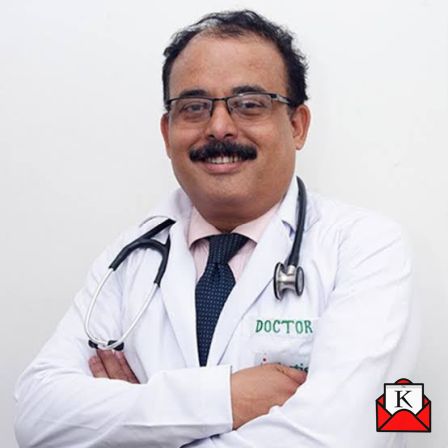
About the author- Dr. Basabbijay Sarkar, Director- Internal Medicine, Fortis Hospital, Anandapur