
How To Stay Fit During The Monsoon?

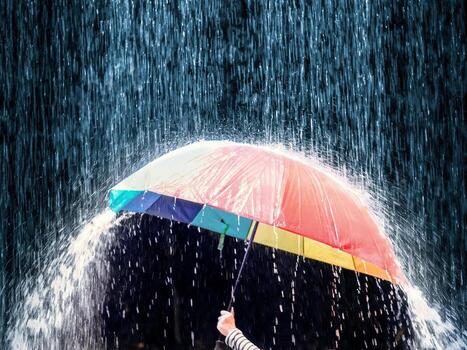
After weeks of intense heat and humidity, Kolkata has received much-needed respite from the first monsoon showers. The arrival of the monsoon also signals the start of a seasonal increase in a number of infectious diseases, so residents should exercise caution even though the rains have cooled temperatures and revitalized the city.
The spread of bacterial, viral, and vector-borne diseases is facilitated by stagnant water, waterlogging, increased mosquito breeding, and exposure to contaminated floodwater. Severe health consequences can be avoided, and complications can be greatly decreased with early symptom detection and timely medical care.
Several infectious diseases can spread more easily during the monsoon season. Leptospirosis, dengue, chikungunya, gastrointestinal infections, and respiratory ailments can all increase in Kolkata due to exposure to contaminated floodwater, increased mosquito breeding, and poor food and water hygiene. Fever, headaches, body aches, and exhaustion are common initial symptoms of many of these infections, which frequently result in a delayed diagnosis or self-medication. In order to avoid complications and guarantee better results, early symptom recognition and prompt medical attention are still essential.
Leptospirosis, a bacterial disease caused by Leptospira species, is one of the most neglected infections associated with the monsoon. Many people are unaware that Leptospira bacteria, which are frequently excreted in rodent urine, can enter the body through walking barefoot or in open sandals through flooded water with even a small skin scratch.
Doctors advise locals to cover cuts and abrasions before going outside, wear waterproof shoes and protective gloves when handling contaminated water, avoid walking barefoot in floodwater, and maintain appropriate sanitation and rodent control measures.
The Aedes aegypti mosquito breeding cycle is also initiated by the first rains. Stagnant fresh water gathered in flower pots, building sites, and abandoned containers can quickly boost mosquito populations in Kolkata, increasing the number of dengue and chikungunya cases.
Additionally, old sewage lines may be overloaded by heavy rains, which could contaminate drinking water and compromise the hygiene of street food. This raises the risk of diseases like cholera, acute gastroenteritis, bacterial dysentery, and typhoid fever.
It might also be wise to temporarily stop consuming raw salads from street vendors and water-based street foods like Kolkata’s popular phuchka during the first high-risk weeks of the monsoon.
An increase in respiratory infections, such as bacterial respiratory infections and influenza-like illnesses, is also a result of the shift to cooler and wetter weather.
The initial symptoms of many monsoon-related illnesses are similar, especially fever, body aches, and exhaustion. Delays in seeking medical attention and self-medication, however, can result in complications. Consult a healthcare provider right away if you have a persistent fever, severe weakness, breathing difficulties, jaundice, bleeding tendencies, or signs of dehydration.
About the author- Dr. Apoorbaa Roy, Consultant Microbiologist, Neuberg Pulse Diagnostic, Kolkata