
Great Form & Function Of Human Body Restored With Plastic Surgery
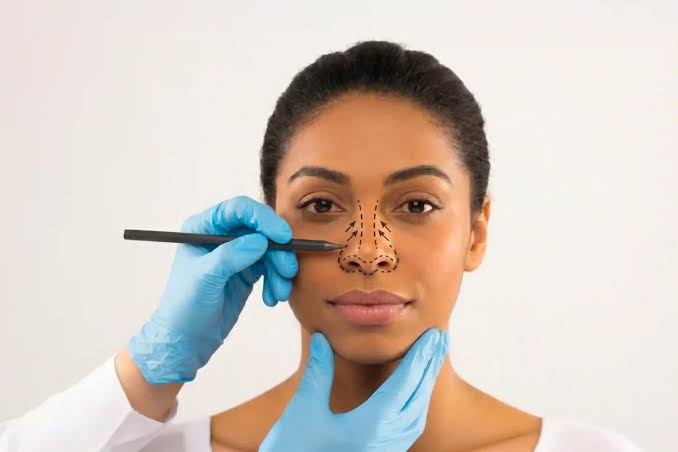
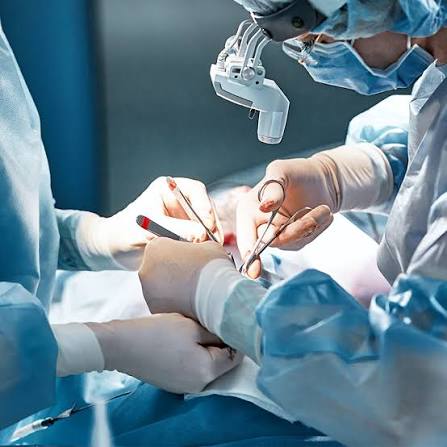
Plastic surgery is mainly associated with cosmetic procedures, rhinoplasties, facelifts, and other aesthetic enhancements. But this day addresses something far broader: the healthcare industry’s fundamental role in reconstructive surgery, trauma care, and most importantly, cancer recovery.
At its core, plastic surgery is aimed at restoring natural form and function to the human body, no matter what caused its loss. Whether it is burns, defects at birth, traumatic injuries, or surgical aftermath, it all falls within its purview. Amidst these, one of the most significant yet underappreciated intersections is with oncosurgery.
Treatments relating to cancer often require meticulous and aggressive surgical interventions. In some cases, like mastectomies for breast cancer, resections for head and neck tumors, and removal of skin cancers or sarcomas, can leave patients with significant tissue loss or permanent disfigurement. Here is where reconstructive plastic surgery steps in. It becomes an integral and necessary part of comprehensive cancer care and not just an optional add-on.
The clearest example is breast reconstruction after a mastectomy. With the help of implants, autologous tissue flaps such as DIEP or TRAM procedures, or a mix of both, surgeons can aid in restoring physical form and a patient’s sense of dignity following an unfortunate cancer resection. Research repeatedly links reconstruction to enhanced psychological well-being in breast cancer survivors.
The stakes rise further with regard to head and neck oncology. Removal of tumours can adversely affect a patient’s ability to speak, breathe, or eat. Microvascular free flap surgery, transplanting tissue with its own blood supply, permits surgeons to rebuild jaws, tongues, and other facial structures, restoring function and appearance.
More than the physical aspect, this combination highlights psychological recovery, which is an underpinning of cancer care. Disfigurement can lead to depression and social withdrawal, while reconstruction supports patients in reclaiming normalcy and returning to their lives.
As World Plastic Surgery Day instigates reflection on the specialty’s true scope, its partnership with oncology offers a powerful reminder of medicine’s deeper purpose: restoring wholeness and dignity to patients facing periods of struggle.
About the author– Dr. Sabyasachi Basu – Consultant, Plastic Aesthetic & Reconstructive Surgery