
Great Experts At The First Myelinocon Kolkata, Organized By INK
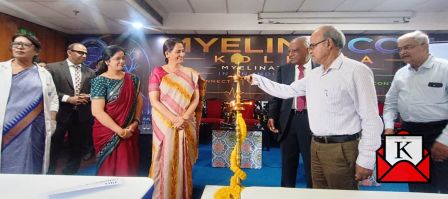
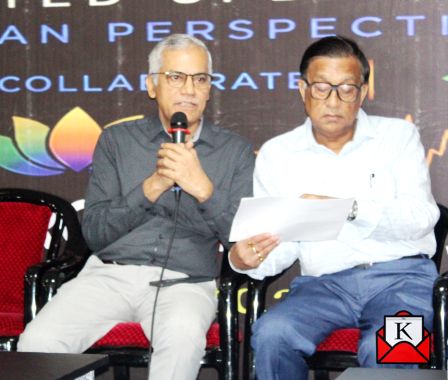
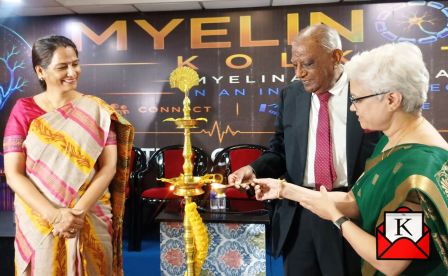
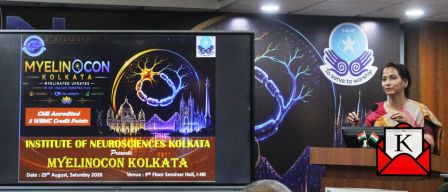
Leading neurologists, neuroimmunologists, ophthalmologists, and experts in demyelinating diseases from across India came together for the inaugural MYELINOCON Kolkata—Myelinated Updates in an Indian Perspective—organized by the Institute of Neurosciences Kolkata (INK).
The Institute of Neurosciences Kolkata’s 9th-Floor Seminar Hall hosted the CME-accredited conference, which earned 5 WBMC credit points.
MYELINOCON was created with a more pragmatic question in mind, in contrast to traditional academic gatherings that frequently concentrate primarily on reviewing published evidence:
How do decisions made at the bedside in India actually reflect the rapidly evolving science of demyelinating diseases?
In order to give clinicians a structured approach to modern CNS demyelinating disorders, the program shifted from new diagnostic criteria and diagnostic conundrums to seronegative disease, disease biology, emerging imaging biomarkers, immunotherapeutics, and special populations.
The meeting started with modern methods of diagnosis, such as the 2024 McDonald criteria for multiple sclerosis, and then moved on to NMOSD and the 2023 MOGAD criteria. The integration of these developing diagnostic frameworks into actual Indian clinical practice was given special attention.
One of the most challenging issues that clinicians deal with is the seronegative patient, which includes cerebral demyelination that does not neatly fit into MS, NMOSD, or MOGAD, transverse myelitis, and seronegative optic neuritis.
After that, the conference shifted its focus from traditional diagnostic methods to the biology of disease progression.
One of the central scientific discussions was “The Pathogenesis of PIRA in Multiple Sclerosis: Can We Identify and Target the Silent Progression?” It looked at how disability can develop without clear relapses and how new biomarkers might be able to detect this process sooner.
The growing significance of ophthalmic biomarkers and advanced imaging in demyelinating disease was another important area of focus.
Along with new MRI biomarkers that may offer information beyond the standard evaluation of new T2 or gadolinium-enhancing lesions, the program looked at how the eye can serve as a window to demyelination.
In particular, the increasingly crucial question of how clinicians can identify ongoing disease biology even when conventional measures appear relatively stable was the focus of the scientific discussions, which were intended to link these new ideas with clinical practice.
Some of the most significant current treatment issues in MS and related disorders were discussed during the immunotherapeutic session.
Topics included B-cell therapies in MS and NMOSD, immune reconstitution therapy in MS, biologics in NMOSD, and B-cell therapies in steroid-dependent MOGAD.
The focus was on selecting treatments based on patient characteristics, safety, efficacy, and treatment realities in India.
The meeting also covered practical issues like infection risk, vaccination, pregnancy, pediatric demyelinating disease, and medical ethics, all of which have a growing impact on long-term treatment decisions.
Priyanka Dutta