
The Great Power Of Nutrition In Fighting Lifestyle Diseases

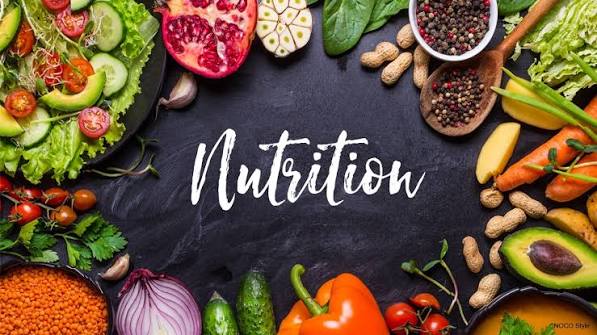
National Nutrition Week (September 1–7), with its theme “Discover the Power of Nutrition”, is a timely reminder that what we eat is not merely about satisfying hunger—it is one of the most powerful tools we have to protect our health. Everyday food choices can help prevent and manage lifestyle diseases, making a balanced plate an important foundation of preventive healthcare.
Modern lifestyles have changed dramatically. Long working hours, sedentary routines, inadequate sleep, stress and easy access to highly processed foods have made unhealthy eating habits increasingly common. At the same time, lifestyle-related conditions such as obesity, type 2 diabetes, hypertension, high cholesterol and cardiovascular disease are becoming increasingly prevalent.
While genetics and other factors influence our risk of developing these conditions, nutrition remains a major modifiable factor. The food we consume every day can either contribute to weight gain and metabolic problems or support healthy body weight, stable blood sugar, cardiovascular health, and overall well-being.
Nutrition: More Than Just Calories
Nutrition should not be viewed simply in terms of calories or weight loss. Food provides the body with essential nutrients required for energy, immunity, tissue repair, hormonal balance and healthy organ function. A nutritious diet provides a balance of carbohydrates, proteins, healthy fats, vitamins, minerals and dietary fibre. Rather than eliminating entire food groups, people should focus on variety, moderation and appropriate portions. Whole grains, pulses, vegetables, fruits, nuts, seeds and other minimally processed foods provide important nutrients and fibre. Adequate protein is essential for maintaining muscle mass, supporting immunity and promoting satiety. Healthy fats from sources such as nuts, seeds and suitable vegetable oils can also form part of a balanced diet when consumed in moderation.
The Diabetes Connection
Type 2 diabetes is closely associated with excess weight, physical inactivity and dietary patterns that can contribute to persistently high blood sugar levels. Frequent consumption of sugary beverages, sweets and highly refined carbohydrates can increase calorie intake and cause fluctuations in blood glucose. A diet rich in vegetables, whole grains, pulses and adequate protein can support better blood sugar management and improve satiety. Portion control is equally important, as even nutritious foods can contribute to weight gain when consumed excessively. For people living with diabetes, dietary requirements should be personalised based on medication, activity levels, age, body weight and other health conditions. Crash diets and drastic dietary restrictions should be avoided unless medically supervised.
Protecting the Heart Through the Plate
Cardiovascular health is another area where nutrition plays a significant preventive role. Excessive intake of salt, saturated fats, trans fats, and ultra-processed foods can adversely affect cardiovascular risk factors. Reducing processed and packaged foods, limiting excess salt, and including more vegetables, fruits, whole grains, pulses, nuts, and seeds can support heart health. Maintaining a healthy weight and combining nutritious eating with regular physical activity can further reduce cardiovascular risk. Healthy eating is not about making one perfect meal. It is about making better choices consistently, meal after meal, day after day.
Hypertension and the Hidden Salt Problem
Salt is essential for the body, but excessive sodium intake can contribute to high blood pressure, particularly in susceptible individuals. Much of the sodium in modern diets may come from packaged foods, snacks, sauces, pickles, and ready-to-eat products rather than just the salt added during cooking. Reading food labels, limiting highly processed foods and gradually reducing added salt can help. Herbs, spices, lemon and other natural flavouring ingredients can add taste without excessive sodium.
Small Changes Can Make a Big Difference
Healthy eating does not necessarily require expensive or exotic ingredients. A nutritious diet can be built around familiar, locally available foods. Simple changes can make a meaningful difference: replacing sugary drinks with water or unsweetened beverages, adding vegetables to lunch and dinner, choosing whole fruits instead of fruit-based sugary drinks, including a protein source in meals, and reducing frequent consumption of fried or packaged snacks. The traditional Indian meal can also be balanced by focusing on proportions. A plate can include plenty of vegetables, an appropriate portion of whole grains or other carbohydrate sources, and a protein-rich food such as dal, beans, fish, eggs, or lean meat. Curd or another suitable dairy option can also be included where appropriate.
Prevention Begins Before the Diagnosis
Nutrition should not become a priority only after someone develops diabetes, hypertension or high cholesterol. Preventive nutrition begins much earlier. Children and adolescents should be encouraged to develop healthy eating habits, while adults should remain mindful of portion sizes, meal quality and physical activity. There is no single “perfect diet” for everyone. Nutritional requirements vary according to age, activity level, medical history, medications, and individual goals.
Discover the Power of Nutrition
National Nutrition Week offers an opportunity to shift the conversation from dieting to nourishment and from treatment to prevention. Every meal is an opportunity to support the body’s health. The power of nutrition does not lie in one “superfood” or a temporary diet plan. It lies in sustainable habits—eating a diverse range of foods, maintaining appropriate portions, limiting highly processed foods, staying physically active, and making informed choices towards reducing the burden of lifestyle diseases and building a healthier future.
About the author: Dr. Srabani Mukherjee, Chief Dietician, Fortis Hospital Anandapur