
Eczema: Understanding Its Great Impact & Care In India
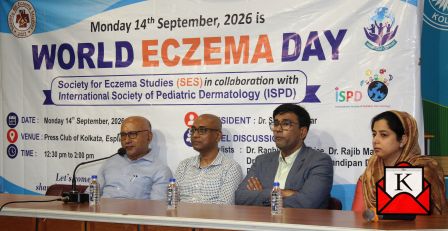
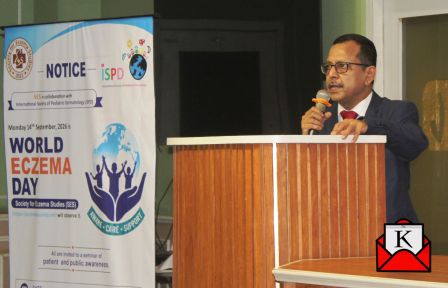
Eczema, notably Atopic Dermatitis, is a chronic inflammatory skin condition that severely compromises patients’ quality of life. Effectively managing this condition demands early diagnosis, tailored treatments, and a compassionate understanding of the psychological stigma often attached to it.
Affecting an estimated 11% of the population in India, eczema constitutes a major public health challenge. Primarily a pediatric condition, its onset typically occurs during infancy or early childhood. Given India’s vast youth population, nearly 50 million children nationwide may be living with eczema, positioning it among the country’s most prevalent chronic childhood skin ailments.
To tackle these unique hurdles, dedicated Indian dermatologists established the Society for Eczema Studies (SES). As a specialized organization, SES focuses exclusively on various forms of the condition, including:
- Atopic Dermatitis
- Contact Dermatitis
- Occupational Dermatitis
Driven by a commitment to scientific excellence, SES coordinates national conferences, Continuing Medical Education (CME) programs, and hands-on workshops. These endeavors keep medical professionals abreast of evidence-based practices. Additionally, the society conducts questionnaire-based research to compile vital, India-specific data regarding disease prevalence and therapeutic trends.
Eczema’s toll reaches far past surface-level symptoms. Relentless itching, broken sleep cycles, and frequent flare-ups heavily erode self-confidence, strain personal relationships, and disrupt academic or professional performance. Both patients and their families must recognize the condition’s chronicity, maintain strict treatment adherence, and consult medical experts promptly during flare-ups.
Dr. Sandipan Dhar, President of SES, said “Our goal should not just be to help patients look better, but to help patients regain control of their lives”.
Through timely, personalized, and evidence-based clinical care combined with continuous patient counseling, individuals can successfully master their flare-ups and achieve lasting, long-term well-being.
Priyanka Dutta