
How To Ensure A Safe Festival for Seniors?
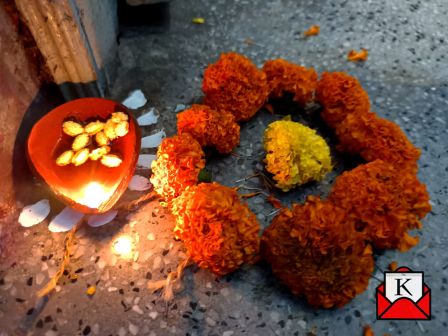

Diwali is a time of light, joy, and togetherness. For senior citizens, however, the festival can also pose certain health risks due to increased noise, smoke, and crowded environments. With a little extra care, families can ensure that elders celebrate safely and comfortably.
Respiratory Health: Firecracker smoke and dust can trigger breathing problems in seniors, particularly those with asthma, chronic obstructive pulmonary disease (COPD), or heart conditions. Keep elderly family members indoors during peak hours of fireworks, preferably in well-ventilated rooms with air purifiers. Encourage them to wear protective masks if stepping outside and ensure prescribed inhalers or medications are readily available.
Noise Protection: The loud noise of crackers may cause discomfort, anxiety, or even aggravate existing conditions like hypertension and sleep disturbances. Seniors should be kept away from high-noise areas, and quiet celebrations with diyas, candles, and lights can be encouraged.
Fall and Injury Prevention: Diwali decorations, wires, diyas, and rangolis can increase the risk of falls at home. Ensure pathways are well-lit, floors are clutter-free, and decorations are placed safely. Comfortable footwear should be encouraged.
Diet and Medication: Festival sweets and fried foods may cause issues such as indigestion, high blood sugar, or blood pressure fluctuations. Elders should be offered festive foods in moderation, along with plenty of water and balanced meals. Medication schedules should not be disrupted due to celebrations.
Emotional Well-being: Seniors may feel isolated during busy celebrations. Involving them in simple rituals, family gatherings, or storytelling sessions can boost their mental health and give them a sense of belonging.
In summary, geriatric care during Diwali means protecting seniors from smoke, noise, falls, and dietary excess while ensuring their emotional comfort. With thoughtful precautions, the festival can be a safe and happy experience for them and the entire family.
About the author: Dr Joydeep Ghosh, Consultant, Internal Medicine, Fortis Hospital, Anandapur