
A Special Celebration Of Inclusivity & Diversity
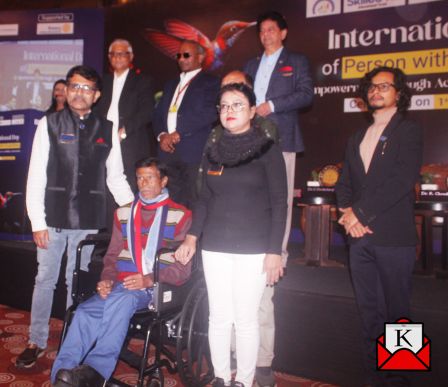
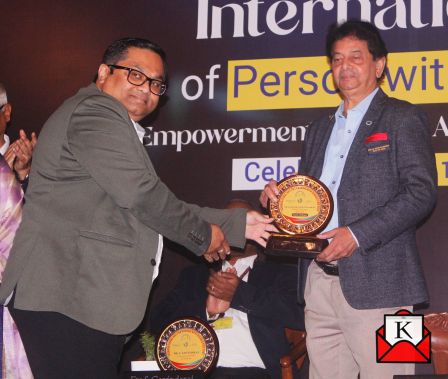
The International Day of Persons with Disabilities-2025 was successfully organized by Nabajatak Child Development Centre in collaboration with the ANVolife Foundation, SkilledIQ Educational Trust, and the Rotary Club of Kolkata Benevolence. The event brought together experts, parents, students, and community members for an exciting evening committed to furthering inclusion, accessibility, and empowerment.
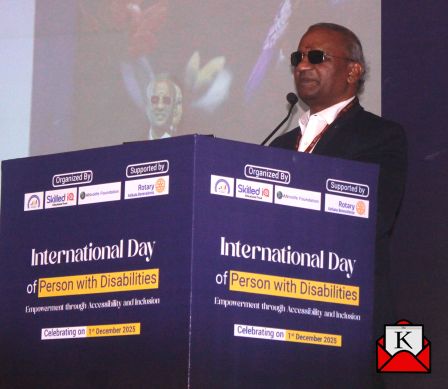
The programme was graced by Dr. S. Govindaraj, Commissioner, PWD, Ministry of Social Justice & Empowerment, Government of India, and Dr. Ramendu Homchoudhury, District Governor, RID 3291.
Dr. S. Govindaraj, Commissioner, PWD, Ministry of Social Justice & Empowerment, Government of India, said, “Since the tragic events of 1981 gave rise to the International Day of Persons with Disabilities (IDPD), it should be observed rather than celebrated. Its goal is to remind governments and organizations of their obligation to implement effective programs and fulfill their social duty by promoting employment, education, and dignity for people with disabilities. The terms handicapped, physically challenged, and Divyangjan have changed over time, signifying a shift from a welfare paradigm to a social model influenced by the UNCRPD and the RPD Act of 2016. Today, the focus must be on diversity, accessibility, and cultivating empathy that leads to empowerment”.
Dr. Ramendu Homchoudhury, District Governor, RID 3291, said that World AIDS Day is a somber day of remembering in his speech to the assembly. He emphasized how conversations frequently shift from post-birth problems to Thalassemia, a century-old hereditary ailment supported by ignorance and quiet. Thalassemia is a far more catastrophic pre-birth, irreversible condition. He clarified that when two carriers get married, their child is put at serious risk, and those who are impacted need blood transfusions for the rest of their lives. Over two million units of blood are needed nationwide each year, as a result, placing a burden on India’s blood banks, costing thousands of crores, and causing the children great misery. He underlined that the event’s goal is to increase awareness and end the taboo around this genetic illness.
The event was made more meaningful by a wheelchair donation ceremony that emphasized the group effort to promote children with disabilities mobility and independence.
There were two significant panel talks at the event. The first session focused on Inclusive Healthcare: A Multidisciplinary Approach to Accessibility, while the second panel was on the topic, From Awareness to Action: Education, Policy, and Community Empowerment.
The significance of cooperative, long-term approaches to enhancing disability inclusion was emphasized in these conversations.
Spotlight presentations showcasing the Kolkata Development Model, highlighting the joint efforts of Nabajatak, SkilledIQ, and Asha CDC, and sharing an inspiring story of overcoming obstacles via martial arts were interspersed throughout the talks. By showcasing individual accomplishments, community projects, and real-life advancements, these presentations expanded the perspective of inclusion.
The programme culminated with an interactive session engaging parents, followed by a vote of appreciation, group photographs, and networking. Together, the event reaffirmed the dedication of all participating organizations and stakeholders to working toward a future that is inclusive, accessible, and informed for people with disabilities.
Priyanka Dutta