
Be Quick To Recognize Stroke & Get Early Treatment
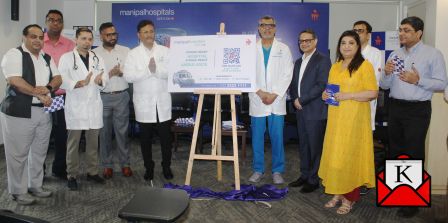
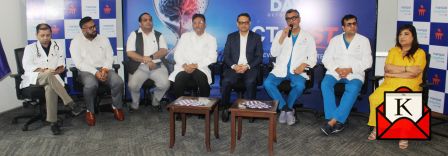
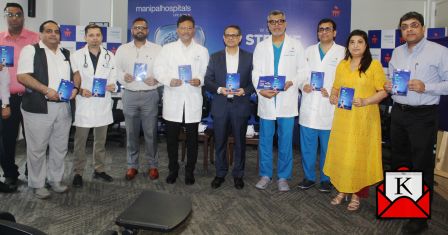
Manipal Hospitals EM Bypass & Mukundapur organized a special awareness program in honor of World Stroke Day to emphasize the significance of stroke prevention, early warning sign recognition, and prompt medical response. The program’s goal was to inform people about stroke, the risk factors that are linked to it, and the need to get medical help right away to reduce the likelihood of long-term disability.
The programme was graced by eminent doctors like Dr. Jayanta Roy– Director & Head– Neurology, Manipal Hospitals Mukundapur; Dr. Amlan Mandal, Senior Consultant and Head of Department (HOD) in Neurology at Manipal Hospital EM Bypass; Dr. Sukalyan Purkayastha, Director and Senior Consultant – Neurointervention& Endovascular Surgery, Manipal Hospitals East Region; and Dr. Nirmalya Roy – Consultant – Neuroradiology, Manipal Hospitals EM Bypass.
As part of the awareness campaign, the event emphasized the difficulties related to stroke and the significance of identifying its symptoms and getting medical help as soon as possible.
The World Health Organization (WHO) states that a stroke happens when a blood artery in the brain bursts or when the blood supply to a portion of the brain is cut off. This may cause brain damage, impairment, or even death by depriving brain cells of oxygen and nutrition. A stroke is a medical emergency that has to be evaluated and treated right away.
The significance of identifying symptoms using the BE FAST method was one of the main points emphasized throughout the session. B stands for Balance; E stands for Eyes, which includes sudden blurred or double vision or loss of vision; F stands for Face, where one side of the face may droop or feel numb; A stands for Arms, which refers to sudden weakness or numbness in one arm; S stands for Speech, which includes slurred speech or difficulty speaking or understanding others; and T stands for Time, reminding people to seek emergency medical assistance right away and note when the symptoms began. It is sufficient to seek immediate medical assistance if you see even one of these warning symptoms.
The need of identifying a Transient Ischemic Attack (TIA), sometimes known as a warning stroke, was also emphasized in the curriculum. Similar to a stroke, a transient ischemic attack (TIA) can induce symptoms such as abrupt weakness, trouble speaking, or vision abnormalities, although these symptoms may go away quickly. The underlying risk does not, however, go away just when the symptoms go away. The risk of a second stroke can be especially significant in the hours and days after a transient ischemic attack (TIA), necessitating an immediate medical evaluation. Even if they feel better before seeking medical help, people who experience acute stroke-like symptoms should seek immediate medical attention.
The event emphasized how crucial it is to control stroke risk factors by getting frequent checkups, eating a balanced diet, exercising, and receiving the right medical attention for diseases like high blood pressure, diabetes, and high cholesterol. Additionally, it emphasized the BE FAST method for identifying warning indicators, such as abrupt changes in vision or balance, facial drooping, arm weakness, and trouble speaking. The conversation reaffirmed how crucial it is to get medical help as soon as symptoms arise, even if they go away on their own. The effort reaffirmed that stroke can affect people of all ages and that prompt medical attention is essential to lowering the risk of long-term disability and improving recovery results by promoting increased awareness of stroke prevention and early intervention.
Priyanka Dutta