
Early Awareness Helps In Better Managing Of Congenital Heart Disease

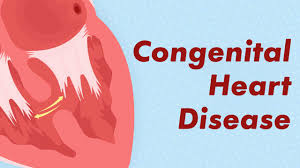
Congenital Heart Disease (CHD) is the most common birth defect worldwide and remains a major cause of illness and mortality in children. In India, nearly one in every 100 newborns is born with structural defects such as holes in the heart walls, abnormal heart valves, or improper connections between major blood vessels, and about one-fourth of these babies may require surgical intervention within the first year of life. Despite these numbers, awareness among families remains limited, leading to delays in diagnosis and treatment.
CHD refers to structural problems in the heart that are present from birth due to abnormal development of the fetal heart. These defects can interfere with normal blood flow, causing the heart to work harder and depriving the body of adequate oxygen. While some defects are mild and may resolve on their own, others can be life-threatening if left untreated. Fortunately, medical advances now allow most children with CHD to grow into healthy adults, provided they receive proper medical attention at the right time.
The challenge lies in recognising early warning signs. Symptoms can vary widely depending on the type and severity of the defect. Some babies may show bluish discoloration of the lips or nails, rapid breathing, poor feeding, excessive sweating, or failure to gain weight. Older children may complain of fatigue, breathlessness, chest discomfort, or may struggle to keep up with peers during physical activity. Any of these signs should prompt immediate medical evaluation.
When to Seek Medical Attention
Parents should consult a doctor urgently if a newborn has difficulty feeding, breathes rapidly, turns bluish, or shows unusual tiredness. Routine newborn screening, prenatal ultrasounds, and timely pediatric check-ups play a crucial role in detecting heart defects early, even before symptoms appear.
Several factors increase the risk of CHD, including a family history of heart disease, certain infections during pregnancy, uncontrolled diabetes in the mother, exposure to harmful substances, and chromosomal abnormalities. While not all cases can be prevented, avoiding tobacco and alcohol, managing chronic illnesses, and undergoing regular antenatal check-ups significantly reduce risks.
Treatment options depend on the nature of the defect and range from medications and catheter-based procedures to corrective heart surgery. With modern treatment strategies, over 90% of children with congenital heart disease now survive into adulthood and lead productive lives.
Early diagnosis, timely intervention, and regular follow-up can transform outcomes, ensuring that children born with heart defects are given the healthiest possible start in life. Child Awareness Week serves as a reminder that informed care and vigilance can truly save young hearts.
About the author- Dr. Debashree Gangopadhyay, Consultant – Pediatric Cardiology, Narayana RN Tagore Hospital, Mukundapur