
Sonia Ashmore’s Book Muslin Traces The Growth Of The Textile
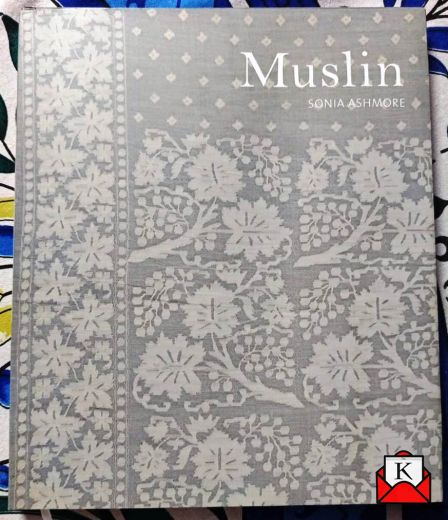
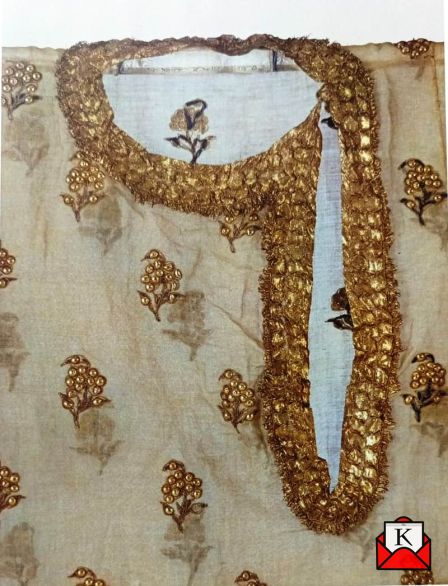
The book Muslin by Sonia Ashmore reveals the rich history behind a cotton fabric once known as woven air and running water. While it’s often treated as a basic cloth today, it used to carry huge economic and political weight. The book traces this delicate textile from its roots in India to global markets in Europe and America.
The strongest part of this volume is how it balances fashion history with global politics. It shows how hand-loomed Bengali muslin was prized by Mughal courts, Ancient Rome, and French royals like Marie Antoinette. Yet, its sheer beauty sparked fierce trade battles. You’ll learn how the British East India Company monopolized the trade in Bengal. Later, British factories imitated the weave and exported it back to India, which collapsed the local hand-weaving industry.
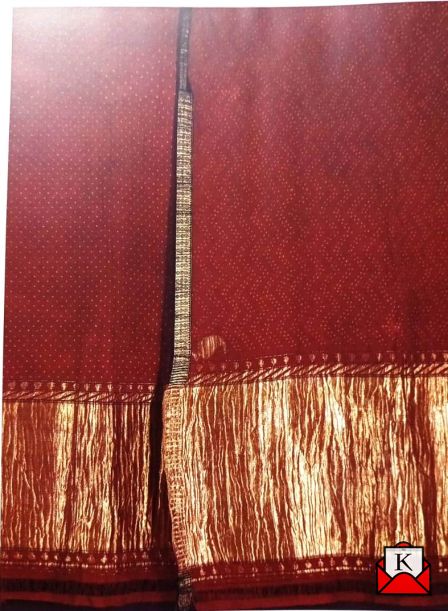
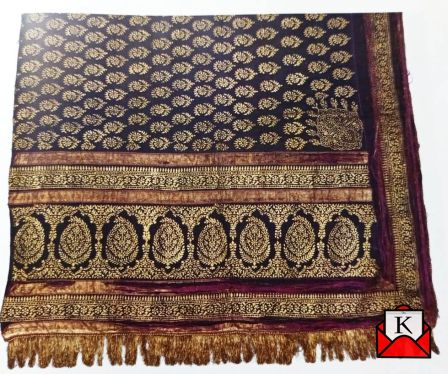
The book draws directly from the Victoria and Albert Museum’s vast collection of over 900 muslin items. It brings these rare pieces to life across different eras and cultures:
Asian textiles: Examples dyed in bright colors and decorated with gold, silver, spangles, and even political messages.
Western fashion: Pieces adapted for nineteenth- and twentieth-century trends, including designs by Vivienne Westwood and John Galliano.
Diverse objects: Items ranging from men’s and women’s clothing to dolls and ballet costumes.
The writing weaves engaging primary quotes into deep historical context. For instance, it shares an 1811 letter from Jane Austen confessing her expensive habit of buying checkered muslin. It also includes early travel accounts from Marco Polo alongside nineteenth-century trade reports.
Grab your copy of Muslin if you want a deep look at how a single fabric shaped global fashion, empire, and trade.
Priyanka Dutta