
A Great Concern Over Amendment To Transgender Act
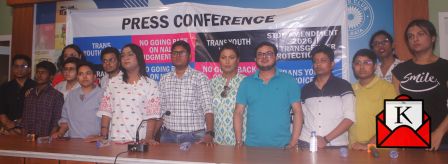
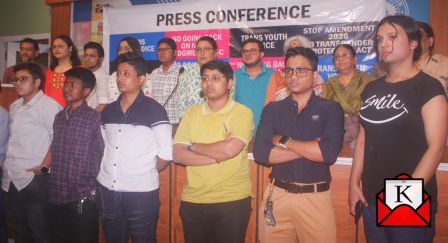
Concerns about the Transgender Persons (Protection of Rights) Amendment Bill, 2026, were voiced by members of the transgender youth community and civil society allies. They claimed that the proposed changes might jeopardize the Supreme Court-recognized constitutional principle of self-identification.
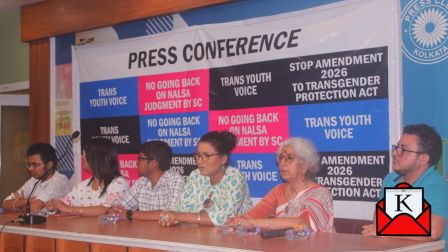
Transgender Adhikar Sanghati Manch (TAS) representatives spoke at a press conference at the Kolkata Press Club. They claimed that the amendment, which was introduced in Parliament on March 13, 2026, was passed in the Lok Sabha by voice vote without discussion, raising grave concerns within the community.
The press conference was addressed by Debangshi Biswas Chowdhury, Founder of TAS; Shaan Chowdhury, Co-Founder of TAS and a transgender man; Riyan Biswas, trans youth leader; Tista Das, transgender rights activist and actor; Dipan Chakrabarty, LGBTQ+ rights advocate and transgender man; Baitali Ganguly, Founder of Jabala Action Research Organisation; and Bappaditya Mukherjee, gender and rights activist and youth development practitioner.
Speakers claim that the proposed amendment aims to update the Transgender Persons (Protection of Rights) Act, 2019’s definition of “transgender person” to include individuals with intersex variations as well as particular sociocultural identities like hijra, kinner, aravani, jogta, or eunuch.
Representatives from the community voiced concern that these definitions might limit our understanding of transgender identity and leave out a large number of transgender people who do not fit into these traditional communities.
Speakers emphasized that transgender identity can now be legally recognized through an affidavit submitted to the District Magistrate under the Transgender Persons (Protection of Rights) Rules, 2020, without a medical examination.
They called on the Indian government to drop the proposed amendment and make sure that any legislative changes that impact transgender people are made in accordance with the Supreme Court’s affirmed constitutional protections and after consulting the community.
The speakers reiterated that there is “No Going Back on the NALSA Judgment” in their closing remarks.
Priyanka Dutta