
A Great Shift In Detecting Women’s Health Concerns
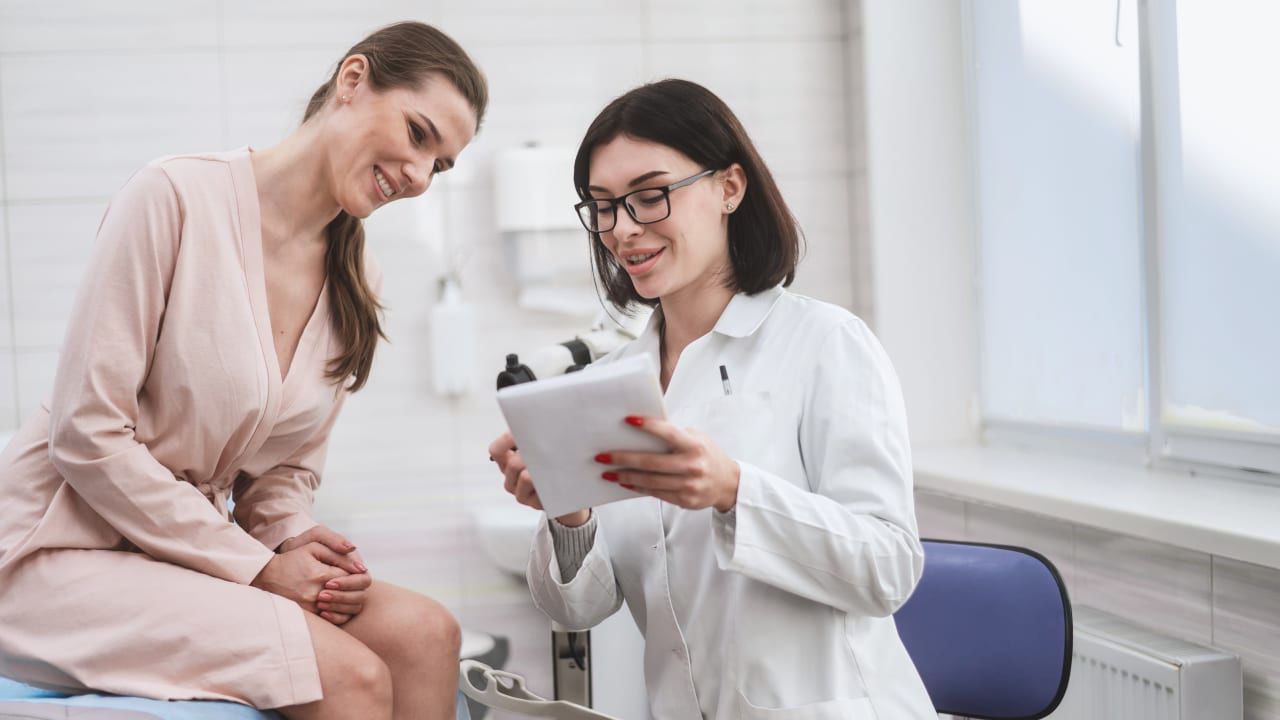

Women’s intimate health has long been neglected. Many issues that impact day-to-day living are frequently misinterpreted, disregarded, or even written off as normal. As a result, many women continue to endure emotional stress, pain, and discomfort without seeking assistance.
The perception of some medical terms is one of the main causes of this. For instance, anything classified as cosmetic is frequently viewed as superfluous or merely about appearance. This has led to a false perception of intimate health treatments. In fact, many of these treatments focus on comfort, health, and the basic quality of life rather than appearance.
This problem is becoming more apparent than ever from a clinical standpoint. Physicians in women-focused clinics report that patients frequently present with issues that have been disregarded for years, such as pain during everyday activities, discomfort during intimacy, or changes following childbirth. For far too long, many of these problems go untreated despite being connected to normal processes like aging, hormonal changes, or childbirth.
Not only is the condition noteworthy, but so is the delay. Women frequently express feelings of embarrassment, uncertainty, or the belief that their symptoms were something they had to deal with. This reluctance stems from social conditioning, where discussing intimate health is still taboo.
Healthcare providers at clinics like Petals Health point out that many patients only seek assistance when discomfort begins to interfere with their daily lives. By then, problems that could have been handled sooner frequently get more difficult. Many of these conditions, like vaginal discomfort, dryness, or physical irritation, are medically recognized and treatable, according to doctors, and should not be ignored.
But the bigger issue extends beyond therapy. It is in awareness and availability. Many women are still unaware that there is support available, not only in the form of procedures but also in the form of consultations, preventive care, and advice specific to various stages of life, such as menopause and menstrual health.
The absence of judgment-free, safe spaces is another serious problem. Because they are afraid of being judged, many women are reluctant to discuss personal issues in public. In addition to causing physical discomfort, this silence exacerbates conditions, delays diagnosis, and increases emotional stress.
For generations, there has been this silence. It was expected of women to quietly accept these changes without challenging them or looking for answers. Stigma and a lack of discussion kept these problems hidden, even in cases where medical assistance was available.
Gradually, things are starting to shift. Today, more women are seeking care, raising awareness, and asking questions. Additionally, clinics are working to normalize and promote open communication. However, the change is still in its infancy.
Ultimately, being at ease in one’s own body is not a luxury. It is a fundamental necessity. Women should be free from pain, discomfort, and shame, and taking care of their intimate health should be viewed as a crucial component of their general well-being rather than something to be disregarded.
Priyanka Dutta