
Highest Number Of Robotic Kidney Transplants In Obese Patients
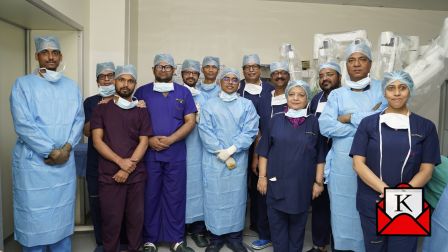
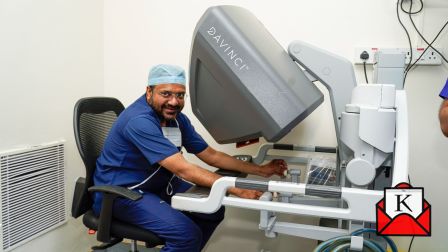
A specialized team at Narayana RN Tagore Hospital has completed over 30 robotic renal transplants in obese patients, marking a significant advancement in the management of high-risk cases of Chronic Kidney Disease (CKD). This is the highest number of robotic renal transplants reported in Eastern India.
In an equally noteworthy accomplishment, the team performed a rare open kidney transplant on a 51-year-old conscious patient who was unfit for general anesthesia under regional (spinal and epidural) anesthesia, showcasing the growing potential of transplant surgery in challenging clinical situations.
The two developments coincide with a dramatic increase in obesity and diabetes, two major causes of chronic kidney disease (CKD), in India. Almost two lakh new cases of chronic kidney disease (CKD) are reported each year, and many of them eventually need kidney transplants. However, patients who are obese are frequently considered high-risk candidates for traditional open surgery, which can limit their eligibility for transplant procedures and increase the risk of post-operative complications.
By increasing clinical eligibility for transplantation, robotically assisted transplantation using the Da Vinci Surgical System is assisting in closing this gap. Patients who were previously deemed high-risk because of co-morbidities or obesity can now have surgery with smaller incisions, a quicker recovery, and a lower risk of wound infection. Transplantation is now a more practical option for this vulnerable group because early mobilization—often within 24 hours—and shorter hospital stays greatly improve outcomes.
It is technically challenging to perform robotic transplantation on obese patients. Longer operating times may raise the risk of transient kidney dysfunction, such as acute tubular necrosis, because the procedure entails delicate vascular suturing (anastomosis). Since the first case, the surgical team has consistently worked to minimize this time factor, resulting in favorable outcomes.
In one of the most complicated cases, a 51-year-old patient with serious respiratory problems who had been refused permission for general anesthesia underwent an open transplant under regional anesthesia. The patient was awake and responsive during the entire procedure, in contrast to traditional methods. The procedure was much more difficult because there was no complete relaxation of the abdomen and no continuous respiratory movement, especially during the crucial anastomosis phase. Notwithstanding these limitations, the transplant was successfully finished, and the patient recovered quickly, exhibiting stable graft function and mobilization in a matter of days.
The success of the complicated anesthesia case and the high-volume robotic transplant program highlights the value of coordinated teamwork between surgeons, anesthesiologists, and support personnel, particularly in high-risk situations where traditional methods might not be practical.
Such developments are anticipated to redefine surgical options as transplant medicine develops, especially for obese and high-risk patients, guaranteeing that more people can safely receive life-saving kidney transplants.
Priyanka Dutta