
Mouth Ulcer Or Something More Serious? Know The Important Details
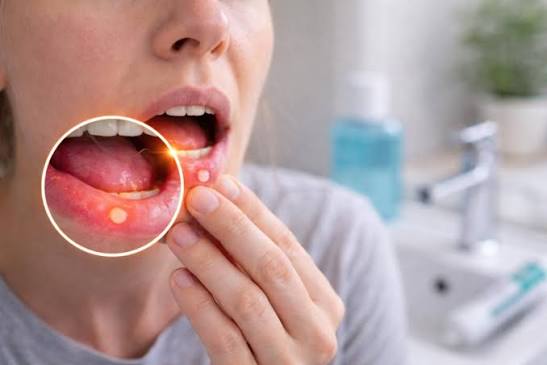

Almost everyone has mistakenly bitten their cheek or something too hot, which resulted in a small, painful ulcer that takes a week or more to heal. While common mouth ulcers like these are harmless, there are many others that may be the first sign of illness. As we observe Head and Neck Cancer Awareness Day, it’s a timely reminder to know the difference between these ulcers.
A mouth ulcer is typically round or oval, shallow, and painful, often also triggered by minor trauma, spicy food, or stress. It usually takes 10-14 days to heal on its own without leaving any scar behind.
But cancerous or malignant ulcers appear differently. They often persist beyond three weeks even with home care and medications. A cancerous ulcer might be painless in the early days, which is the reason why most people ignore it. The edges of the ulcer can be irregular and raised; the base may feel hard or stiffened as compared to soft. If you touch it, it may bleed easily. Such ulcers are usually accompanied by other warning signs such as a lump in the neck, difficulty while chewing and swallowing, loose teeth, numbness in the mouth, or even a change in your voice.
The leading risk factors for any kind of oral cancer in India are: tobacco use in any form (smoking/chewing), alcohol consumption, and betel nut or gutka use. Anyone with habits like these should be extremely aware and watchful of ulcers that don’t heal.
One simple rule to remember: if an ulcer takes more than three weeks to heal, consult with a specialist. The biopsy is quick and a reliable way to confirm if it’s benign or malignant. Early diagnosis can significantly improve treatment outcomes and survival.
There’s a myth that getting a biopsy done worsens or spreads a disease. This is actually not true and completely baseless.
Head and Neck cancers are highly preventable, and when recognised early, highly treatable as well. This month is a cue that a small but persistent ulcer deserves a doctor’s opinion and not a wait-and-watch approach.
About the author: Dr. Agniva Basu, Consultant – E.N.T, Head & Neck Oncology