
Pride Plaza’s Banglar Boishakh Is An Excellent Culinary Showcase

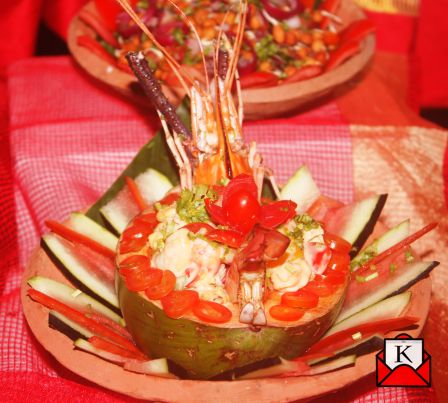
As the city gears up to welcome the Bengali New Year, Pride Plaza Kolkata has unveiled an ambitious culinary showcase titled Banglar Boishakh. Running on the 14th and 15th of April, this two-day festival isn’t just a buffet; it is a meticulously curated journey through the ancestral kitchens and vibrant streets of Bengal.
The experience begins with Aamontron, or welcome rituals, featuring innovative drinks like the Starfruit & Jalapeño Shorbot and the refreshing Gandhoraj Lemon Grass Doi-er Ghol. These drinks set the stage for a menu that balances high-end Heritage Specialities with the rustic soul of Bengali home cooking.
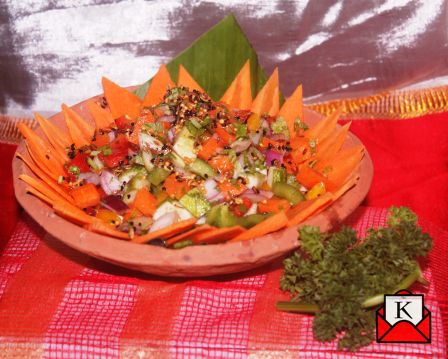
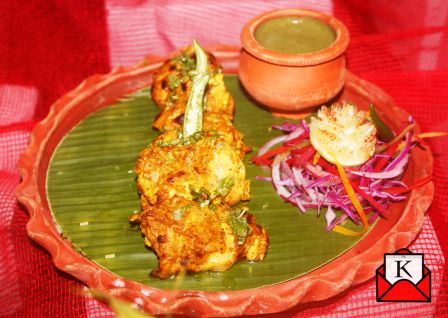
The festival’s Shuroote (appetizer) kitchen brings the heat with a live station serving Vegetable Kabiraji and Kachalonka Kasundi Murgh Tikka. However, the true heart of the event lies in the Bhorta, Bata, and Achar counter. This section celebrates the art of hand-mashed specialties and stone-ground pastes. From the rare, medicinally valued Thankuni Shorshe Bata (pennywort leaf paste) to the creamy Narkel-Kancha Aam-Posto Bata, the flavors are bold, nostalgic, and finished with a signature drizzle of cold-pressed mustard oil.
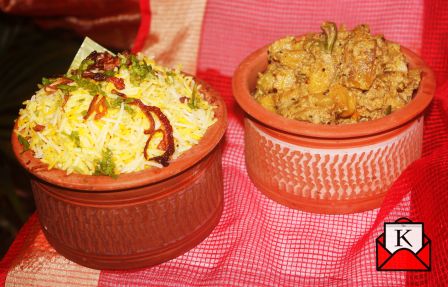
The main course is a sprawling tribute to Bengal’s diverse palate. Meat lovers can indulge in the Signature Heritage Specialities, which include the robust Kutum Barir Mangsho and the iconic Chingri Malai Curry. A highlight for many is the Kolkata Style Chicken Biryani, served traditionally with the essential aloo (potato) and dim (egg).
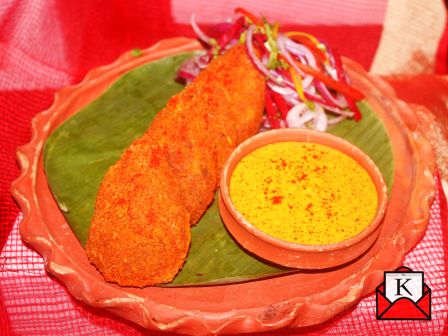
Vegetarians have not been overlooked. The enhanced vegetarian signatures offer sophisticated takes on classics, such as Rosogollar Dalna and Echorer Kosha (jackfruit meat), alongside the comforting Sukto.
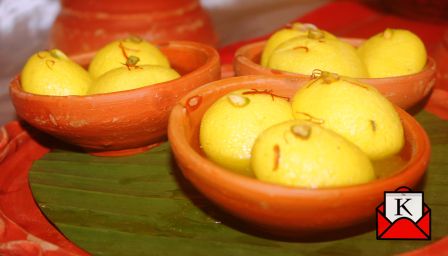
No Bengali celebration is complete without Mishti Mukh. The dessert experience at Pride Plaza ranges from the delicate Makha Sandesh and Kheer Kadam to the beloved Mishti Doi and Chanar Payesh.

Priced at Rs 1696 AI per person, Banglar Boishakh offers a rare opportunity to taste the full spectrum of Bengali flavors—from the sharp tang of Kacha Aamer Chutney to the sophisticated spice of a Rezal—all under one roof. It is a fitting tribute to a culture that views food not just as sustenance, but as a celebrated heritage.
Priyanka Dutta