
How To Prevent Hepatitis A During This Monsoon?
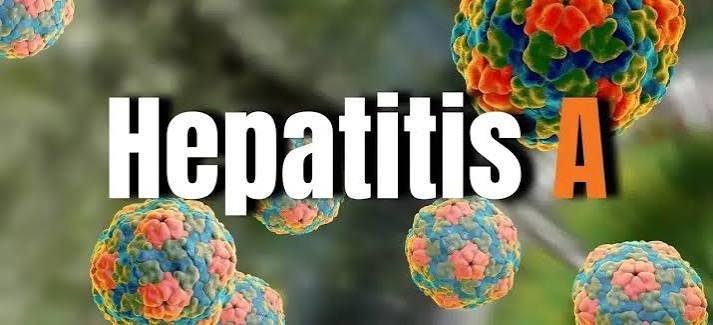

The World Hepatitis Day 2026 theme, Hepatitis: Let’s break it down, is a call to remove the barriers that stand between people and the services that can save their lives. Viral hepatitis continues to be a major cause of preventable illness and death worldwide.
5 foods/ vegetables/ fish to avoid hepatitis A in monsoon
The monsoon season is associated with a sharp rise in water- and food-borne infections, making it a high-risk period for Hepatitis A. Since the virus spreads through contaminated food and water, maintaining strict food hygiene is just as important as choosing the right foods. While there is no specific diet that cures Hepatitis A, eating clean, easily digestible, and nutrient-rich foods can support liver recovery and reduce complications.
Those recovering from Hepatitis A should opt for freshly cooked, home-made meals prepared under hygienic conditions. Soft, easily digestible foods such as khichdi, rice, dal, steamed vegetables, and vegetable soups are gentle on the digestive system and provide essential nutrients. Whole grains, seasonal fruits that can be peeled—such as bananas, oranges, papaya, and sweet lime—and well-cooked vegetables help supply vitamins, antioxidants, and fibre needed for recovery. Lean protein sources like lentils, eggs, skinless chicken, and freshly cooked fish such as rohu, catla, pomfret, or rawas can be included once the patient’s appetite improves. Fish should always be thoroughly cooked and purchased from reliable sources, as raw or undercooked seafood can increase the risk of secondary infections, especially during the monsoon.
Equally important is drinking safe water. Patients should consume only boiled, filtered, or bottled water and avoid ice made from untreated water. Adequate hydration helps compensate for fluid losses associated with fever, vomiting, or reduced appetite.
During the rainy season, certain foods should be strictly avoided. Street food, uncovered snacks, raw salads, and pre-cut fruits sold outside are common sources of contamination and can transmit Hepatitis A or other gastrointestinal infections. Oily, spicy, and deep-fried foods may worsen nausea, bloating, and indigestion, while sugary beverages and highly processed foods offer little nutritional value during recovery. Alcohol must be completely avoided until liver function has fully normalized, as it can delay healing and place additional stress on the recovering liver.
Recovery from Hepatitis A usually occurs within a few weeks to months with adequate rest, hydration, and proper nutrition. Good hand hygiene, safe drinking water, and eating freshly prepared food remain the most effective measures to prevent infection and protect liver health during the monsoon season.
5 Foods to Eat
1. Freshly cooked home-made meals (khichdi, rice, dal, soups)
2. Whole grains and soft cereals
3. Seasonal fruits that can be peeled (banana, papaya, orange, sweet lime)
4. Lean proteins such as lentils, eggs, skinless chicken
5. Thoroughly cooked fresh fish
Plenty of boiled, filtered, or bottled water
5 Foods to Avoid
- Street food and uncovered foods
- Raw salads and cut fruits from outside
- Raw, undercooked, or stale seafood
- Oily, spicy, and deep-fried food
- Alcohol and sugary beverages
About the author: Dr. Basabbijoy Sarkar, Consultant, Internal Medicine, Fortis Hospital Anandapur