
A Special Survey Of India’s Clock Towers In New Book Clock Towers Of Time
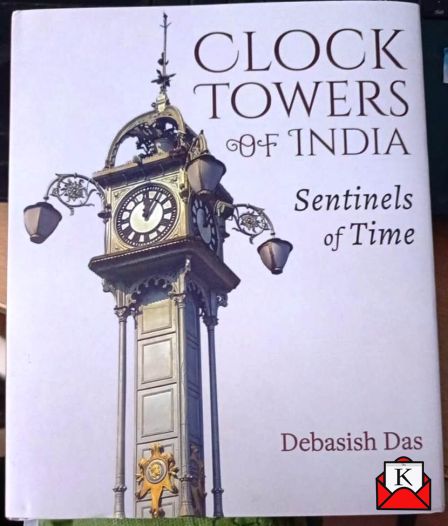
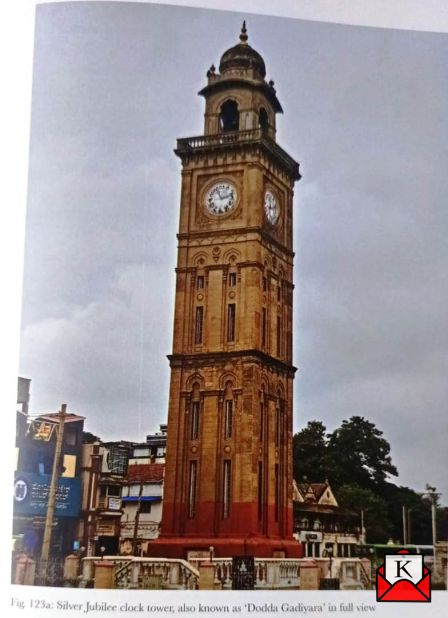
Across towns and cities in India, historic clock towers stand tall like sentinels of time, silently witnessing the shifting tides of history. Yet, despite their prominent architectural footprint, a comprehensive study cataloging these structures has largely been missing—until now. In his meticulously researched volume, Clock Towers Of Time-Sentinels Of Time, author Debasish Das surveys more than 150 clock towers spanning over three centuries from all corners of the country.
Das takes readers on an expansive historical time-travel, beginning with early colonial structures such as the clock tower at the Basilica of Holy Rosary at Bandel in West Bengal (1660) and moving through to post-Independence public monuments like the Mahatma Phule Mandai Clock in Pune (1993).
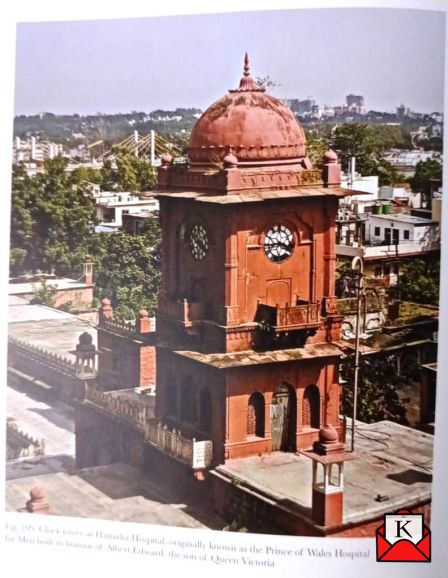
The book is structured systematically, covering a wide range of topics:
The Evolution of Horology: The introduction contextualizes the broader history of mechanical clocks, the pendulum, tower clocks, and electric clocks in Europe.
Traditional Time Measurement: The text explores historical Indian timekeeping methods, including outflow water clocks, sinking bowl water clocks, and the eventual introduction of European hours.
Architectural and Cultural Spread: The survey details the spread of European clock towers in India, highlighting the individual clockmakers, diverse architectural styles, and subsequent local adaptations.
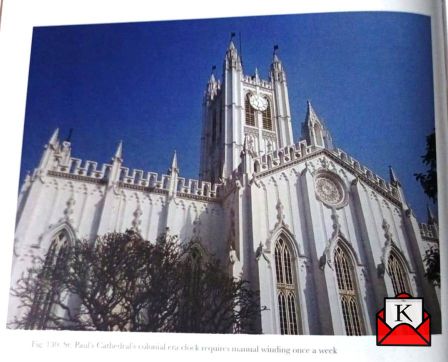
Spanning nearly five years of meticulous data collection during challenging times, Das’s work relies on a rich blend of local newspapers, online sources, manufacturer catalogues, academic papers, and books. Where exact construction dates were obscured by time, the author took care to narrow details down to the nearest decade and double-check available records. Furthermore, the inclusion of period photographs, commemorative postage stamps, and structured chronological breakdowns for each monument provides an exceptional visual and documentary archive.
Debasish Das has successfully bridged architecture, horology, and wider socio-political history into a singular, cohesive volume. This book serves as a vital visual and documentary record that honors India’s public clocks and the communities that built, repaired, and preserved them.
Priyanka Dutta