
Advanced Spine Surgeries Restore Big Hope For Patients
As spinal disorders continue to affect millions of people worldwide, they have become one of the main causes of disability, frequently silently impairing mobility, independence, and quality of life. The World Health Organization (WHO) estimates that approximately 619 million people had low back pain in 2020; by 2050, that number is expected to increase to over 840 million. Due to obesity, poor posture, sedentary lifestyles, and aging populations, spinal disorders are increasingly affecting people of all ages. As a result, there is a greater need than ever for cutting-edge treatment options that not only treat disease but also restore daily living and dignity.
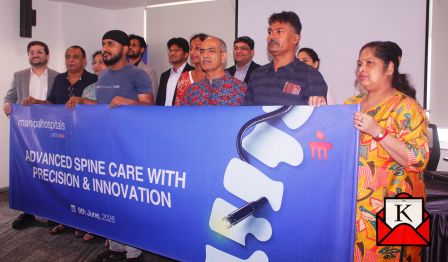
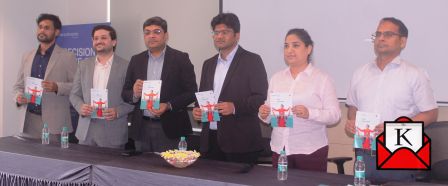
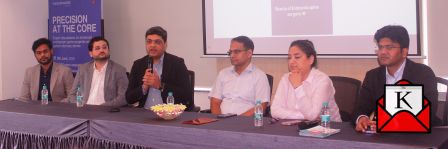
Ten patients who recovered successfully from spine treatment attended a program called Precision at the Core, which was hosted by Dr. Anindya Basu, Clinical Lead & Senior Consultant – Spine Surgery; Dr. Pratyush Shahi, Associate Consultant – Spine Surgery; and Dr. Sourabh Ghosh, Specialist Surgeon, from Manipal Hospital Mukundapur. The presentation demonstrated how safer, more accurate, and minimally invasive surgical techniques are revolutionizing the treatment of complicated spinal disorders.
During the session, medical professionals discussed how the state-of-the-art O-Arm® 3D Imaging and Navigation Technology in the Department of Spine Surgery at Manipal Hospitals Mukundapur allows them to perform intricate spinal procedures with previously unheard-of accuracy. During surgery, the O-Arm offers real-time three-dimensional imaging, which reduces the possibility of complications and enables accurate placement of spinal implants and instrumentation. This technology is especially helpful in trauma cases, revision spine procedures, deformity correction surgeries, complex spinal reconstructions, and minimally invasive spinal fusions.
Additionally, the hospital is at the forefront of one of the most cutting-edge minimally invasive spine surgeries currently available: endoscopic spine surgery. The Spine Surgery team has the most endoscopic spine surgery experience in the area. With minimal damage to surrounding tissues, surgeons can treat conditions like slipped discs, spinal stenosis, and nerve compression using small incisions and specialized endoscopic equipment. Reduced post-operative pain, shorter hospital stays, quicker recovery, and quicker return to daily activities are common outcomes for patients.
The spine program’s proficiency in complex spinal deformity correction surgery and scoliosis is one of its main advantages. With an emphasis on safety and long-term functional results, the team treats both pediatric and adult spinal deformities using contemporary surgical planning, sophisticated neuromonitoring, 3D navigation, and evidence-based correction techniques. Treatment for complex scoliosis, kyphosis, and revision deformity surgeries is becoming more popular among patients from Eastern India and surrounding nations.
In addition to surgery, the hospital offers Comprehensive Spine Care, which includes minimally invasive procedures, conservative treatment, pain management, physiotherapy, rehabilitation, spinal injections, trauma care, deformity correction, tumor surgery, infection control, and advanced reconstructive spinal surgery. Spine surgeons, neurologists, neurosurgeons, pain specialists, physiotherapists, and rehabilitation specialists collaborate as a multidisciplinary team to create individualized treatment regimens for each patient.
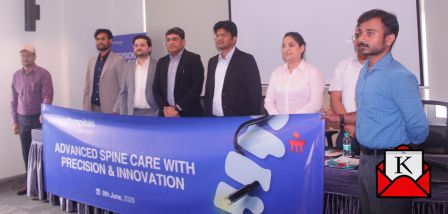
The program demonstrated how developments in minimally invasive and endoscopic spine surgery are not only improving clinical outcomes but also subtly restoring lives, mobility, and hope by uniting specialists and recovered patients on a shared platform. The program demonstrated Manipal Hospitals Mukundapur’s ongoing dedication to fusing cutting-edge technology, compassionate care, and clinical excellence in order to help patients not only heal but genuinely live again.
Priyanka Dutta