
Niva Bupa’s Young India Health Insurance Report Out Now
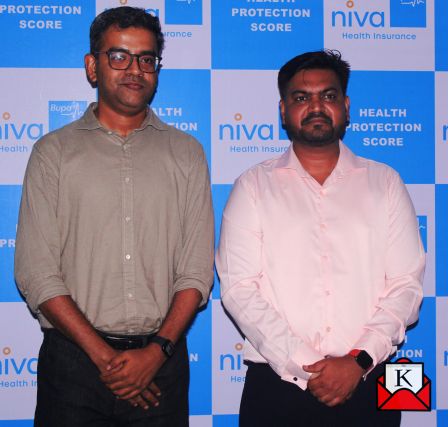

According to a consumer insights report on Young India’s perspective on health insurance released by Niva Bupa Health Insurance, young people in Kolkata are among the most financially and medically prepared in the nation.
The report is based on a thorough survey of more than 2,400 respondents from more than 35 urban and rural locations, including Tier 1, Tier 2, and Tier 3 towns and villages. It presents the Health Protection Score (HPS), a novel composite metric intended to assess Indians’ readiness to handle medical crises. The score assesses each person based on four essential dimensions: 1) Self-evaluation of health status and preventive care; 2) Family medical history; 3) Lifestyle discipline; 4) Sufficient funds. People are divided into three groups according to this composite score (0–10): Very Vulnerable (0–2.99), Somewhat Vulnerable (3–5.99), and Safe & Secure (6 and above).
The results show a large disconnect between awareness and action:
Just 14% of young Indians have health insurance, despite 51% of them ranking it as one of their top three financial priorities.
Seventy-six percent of young Indians are still financially or medically vulnerable to unanticipated health events.
Merely 24% possess sufficient readiness to manage a medical emergency.
In light of this national context, Kolkata exhibits noticeably greater preparedness:
Compared to India’s average of 4.54, the HPS of 5.87 indicates greater overall preparedness.
21% of people have personal health insurance, which is significantly higher than the 14% national average.
54% of policies are deemed safe and secure, which is more than twice the national average of 24%. Only 2% of policies lapse.
Only 3% of people are classified as very vulnerable, which is among the lowest rates in the nation.
These results highlight Kolkata‘s sound financial management and steadfast dedication to upholding health protection.
Kolkata is a prime example of health readiness, exhibiting excellent performance in important areas like financial sufficiency, disease awareness, and routine health evaluations. The city is positioned as a model for others to follow in creating a strong health protection ecosystem because of its higher insurance ownership and lower vulnerability levels. Although the report does point out a small gap in lifestyle-related behaviors, this offers a clear chance to improve preventive health practices even more, strengthening Kolkata’s potential to become India’s leader in comprehensive health readiness.
Priyanka Dutta